Inside Hokuriku
Be it the touch of a lacquer bowl shaped by artisan’s hands; an incense-rich immersion in pre-dawn temple prayers; a taste of ocean-fresh snow crab; or sipping whisked matcha in a centuries-old wooden house as snow falls silently on stone streets and mountains beyond.
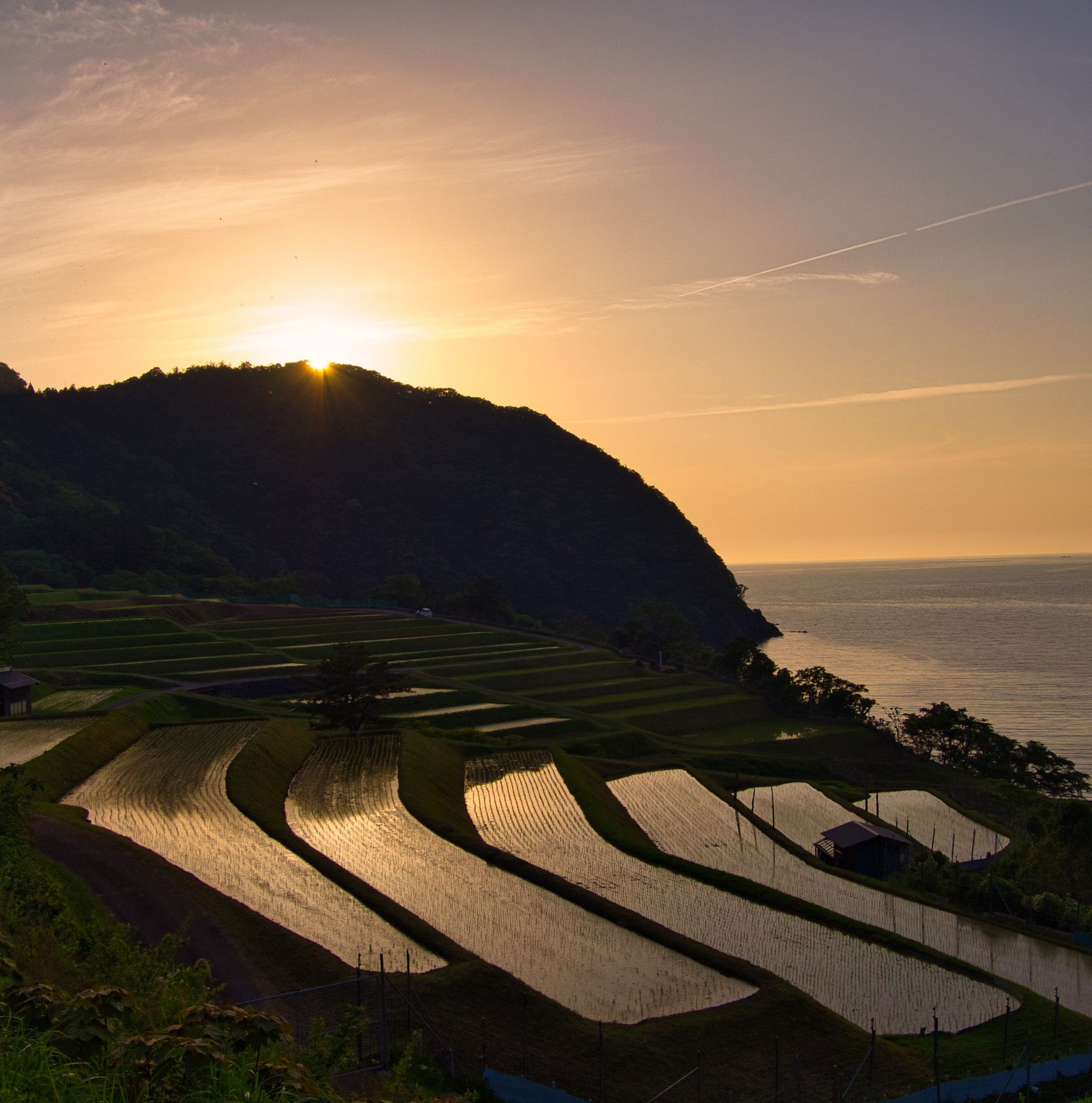
Hokuriku is a place of quiet depth. Nature and crafts, spirituality and the beauty of the quotidian lie at its heart. The region – west of Tokyo, north of Kyoto – spans a rugged sweep of coastline along the Sea of Japan, with peaked mountains flowing sharply into abundant deep blue waters. Here, human life, unfolding between seas, mountains and rice fields, is rooted in the shifts of nature – from white winter snowfall to green bursts of summer.
And underpinning everything is a timeless wisdom. Etched into its landscape, temples and communities are countless lessons in slowing down and simplifying. Living peacefully in harmony with nature. Embracing the meditative value of hand craftsmanship. It’s a manifesto for mindful living in modern times – all rooted in the timeless beauty in everyday life.
Deep Seas
The sea shapes the essence of Hokuriku.
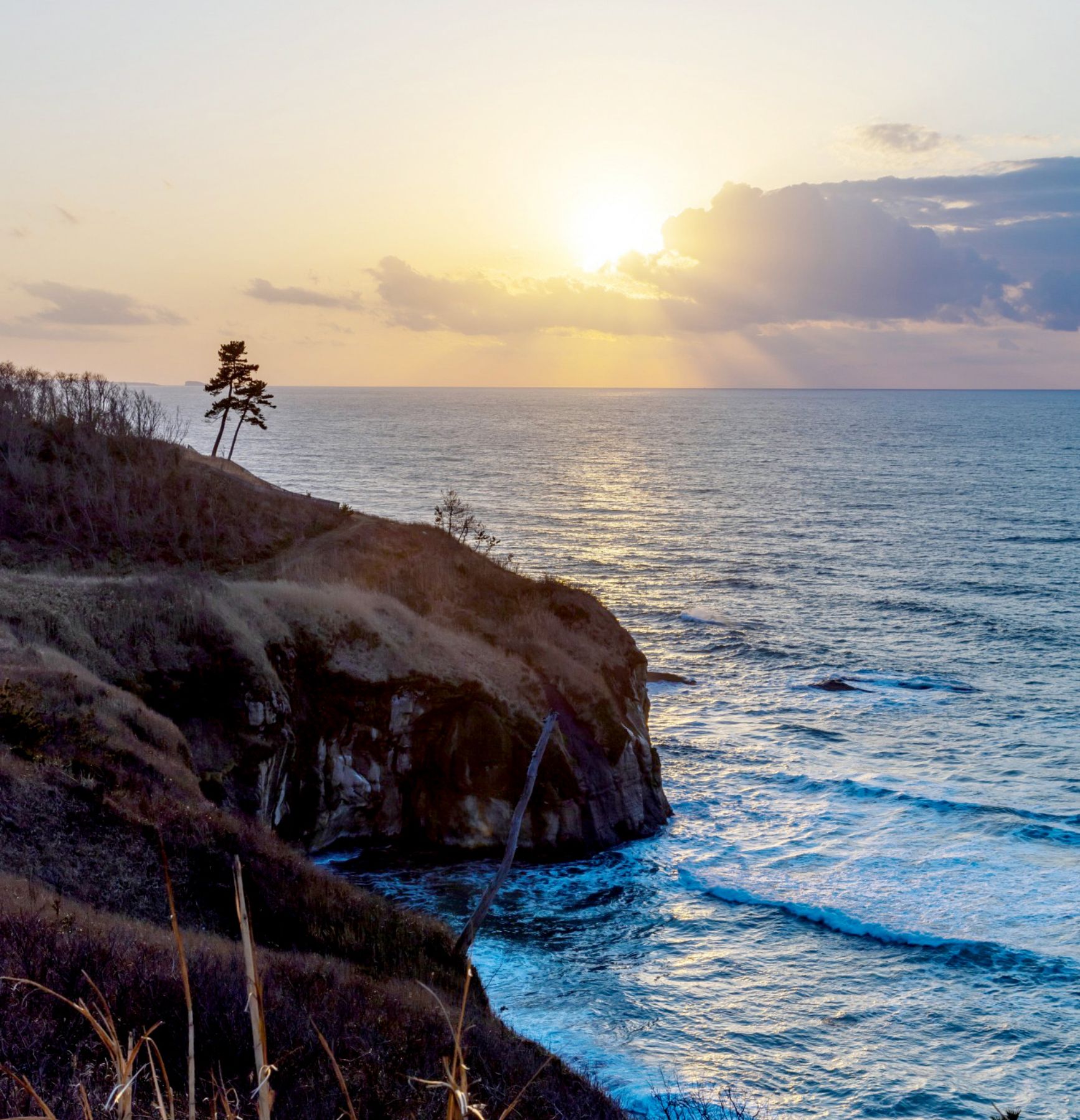
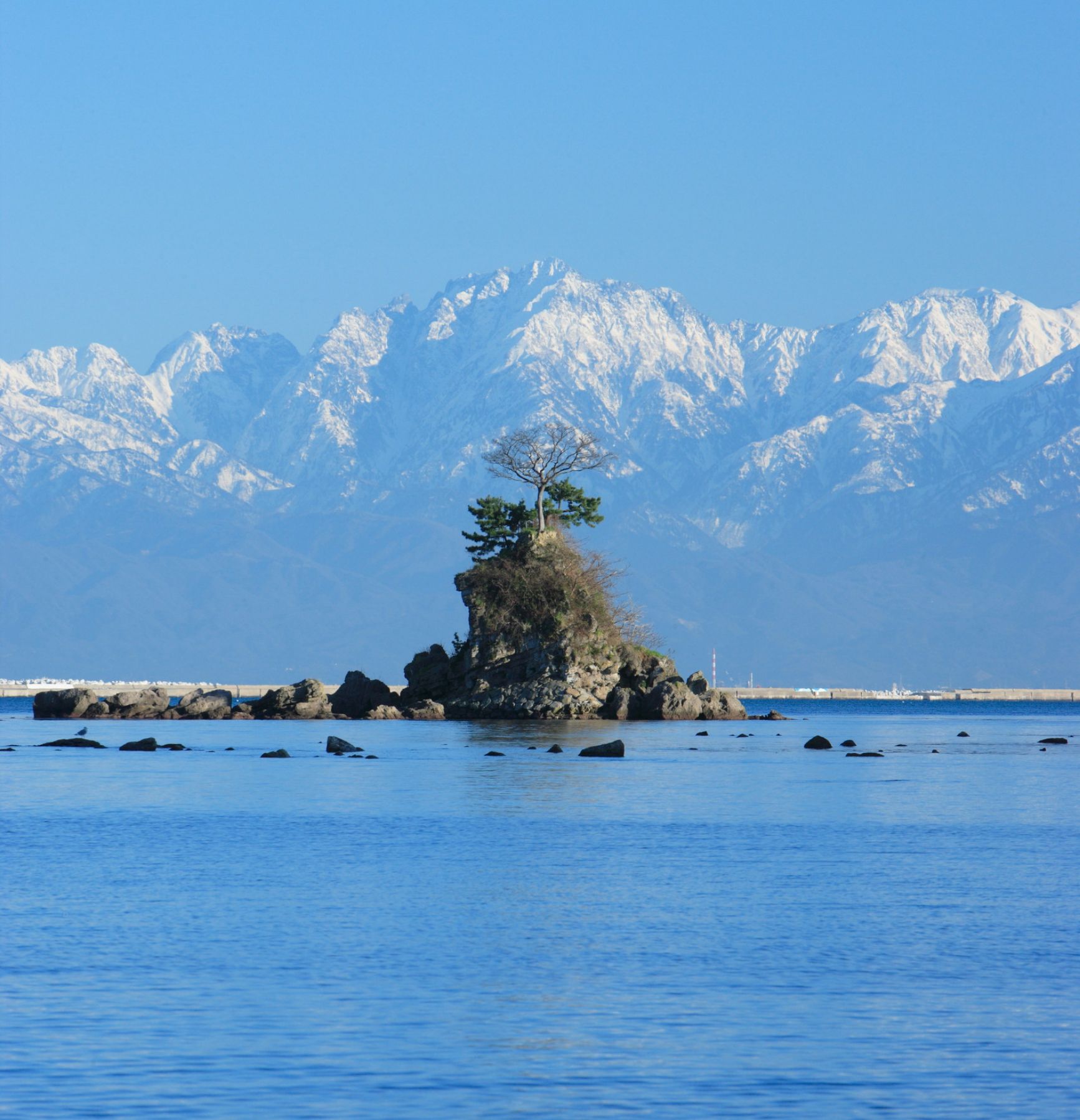
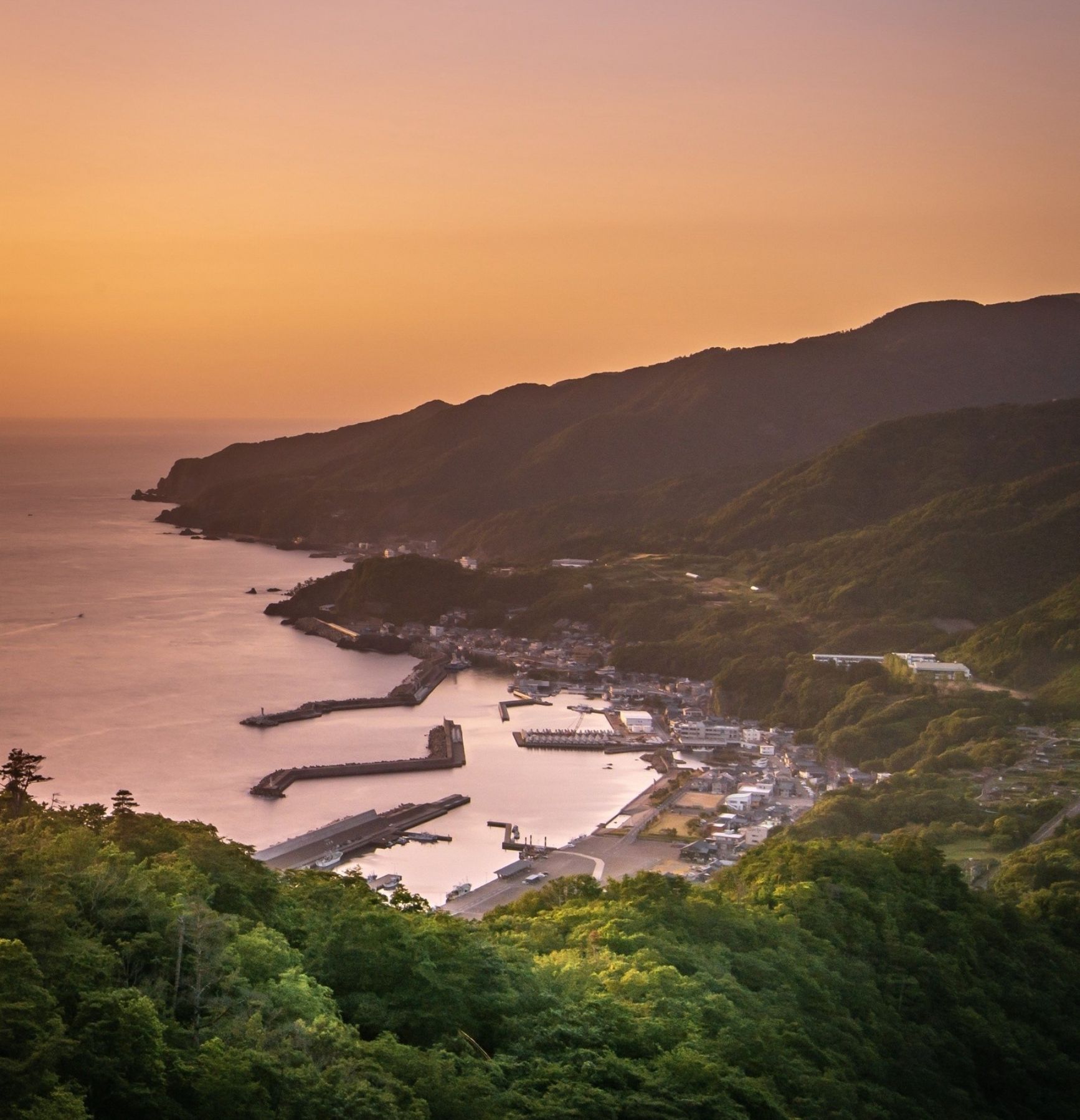
The region spans a rugged sweep of coastline along the Sea of Japan, with majestic mountains flowing sharply into deep blue seas blessed with abundant seafood. Here, human life echoes the shifts of nature, from heavy winter snowfall to green bursts of summer.
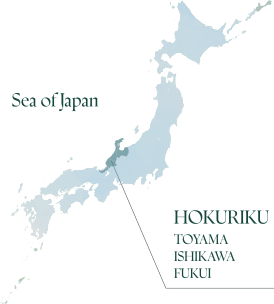
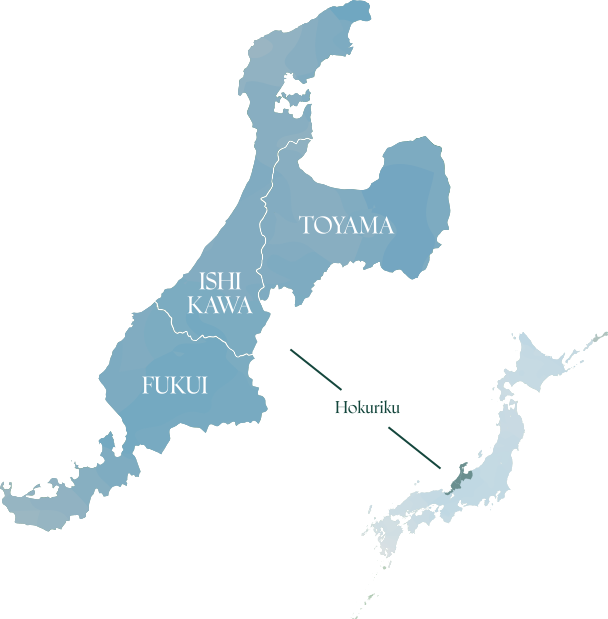
Hokuriku is a region made up of three prefectures — Toyama, Ishikawa and Fukui.
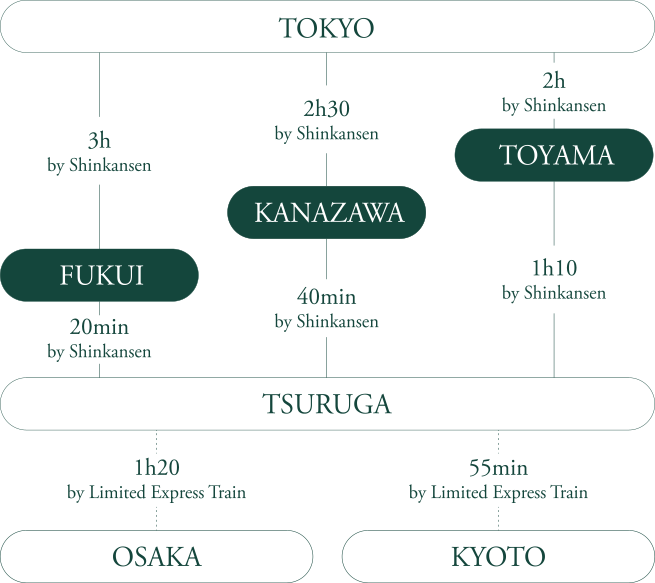
It is only a few hours by train from Tokyo, Kyoto and Osaka, yet feels a world apart.
Rising
Mountains
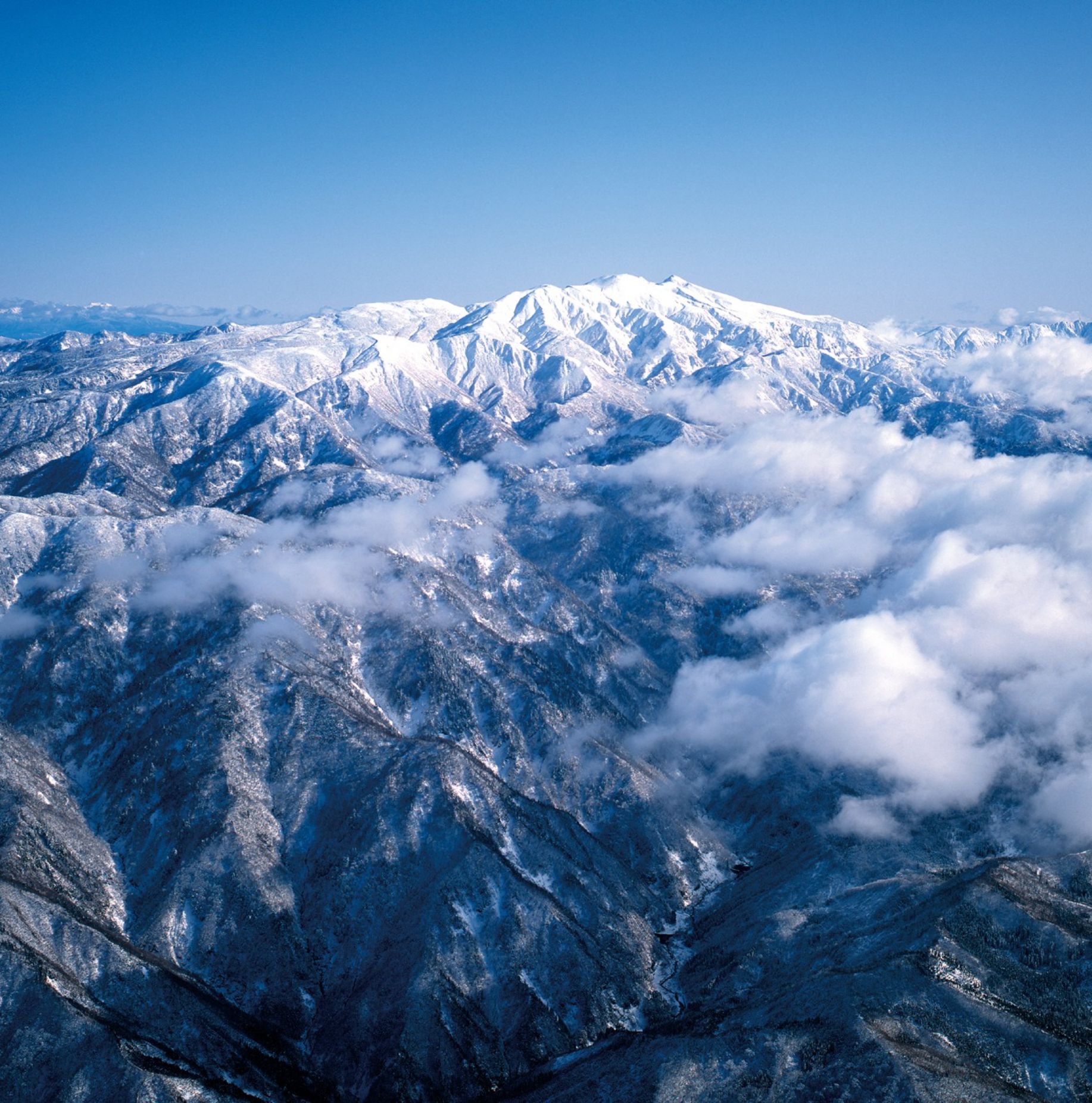
The mountains are the backbone of the Hokuriku region. The Tateyama Range rises beside the deep waters of Toyama Bay, its pure snowmelt nourishing rich fisheries and local craft industries. The spiritually-
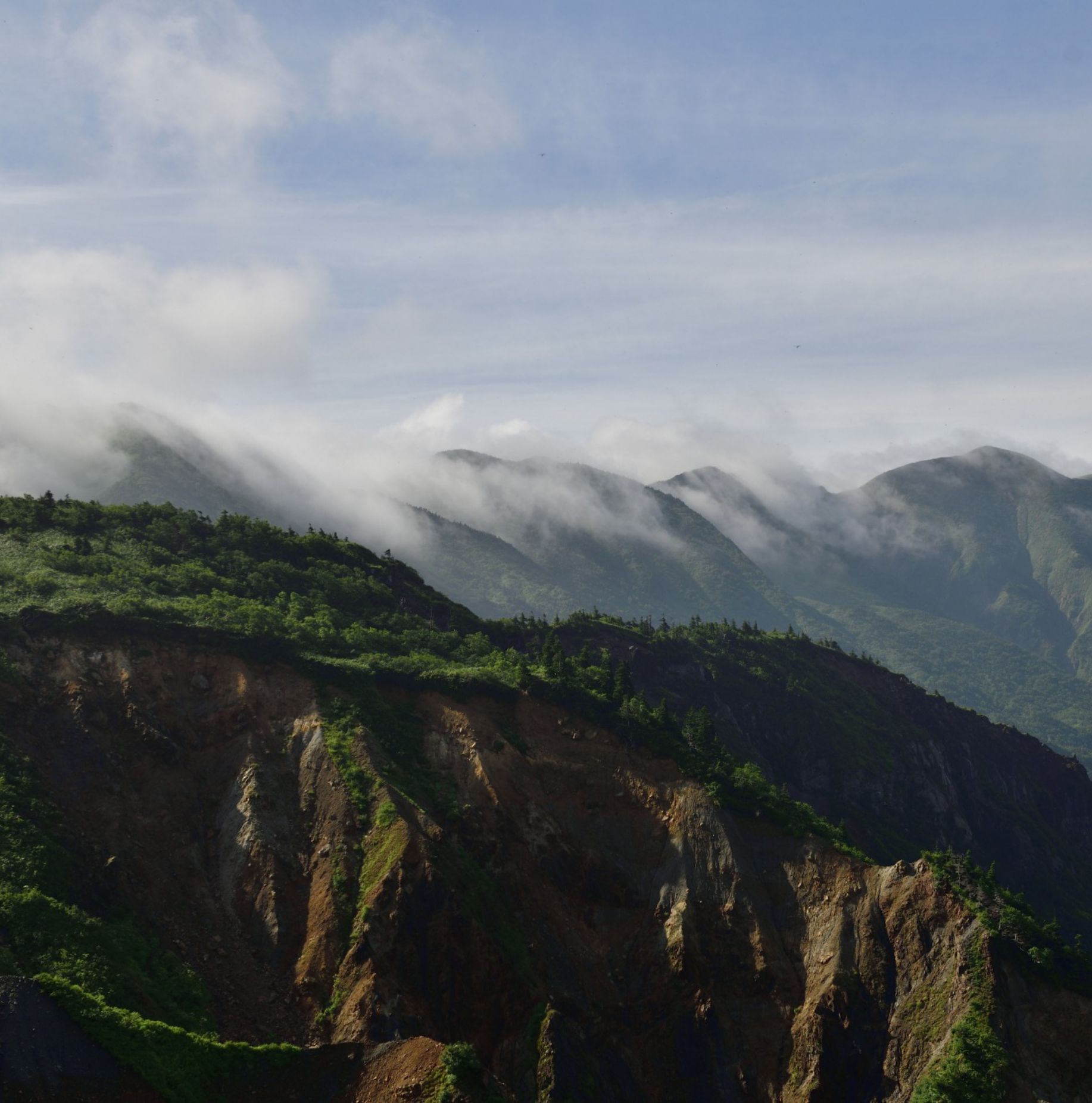
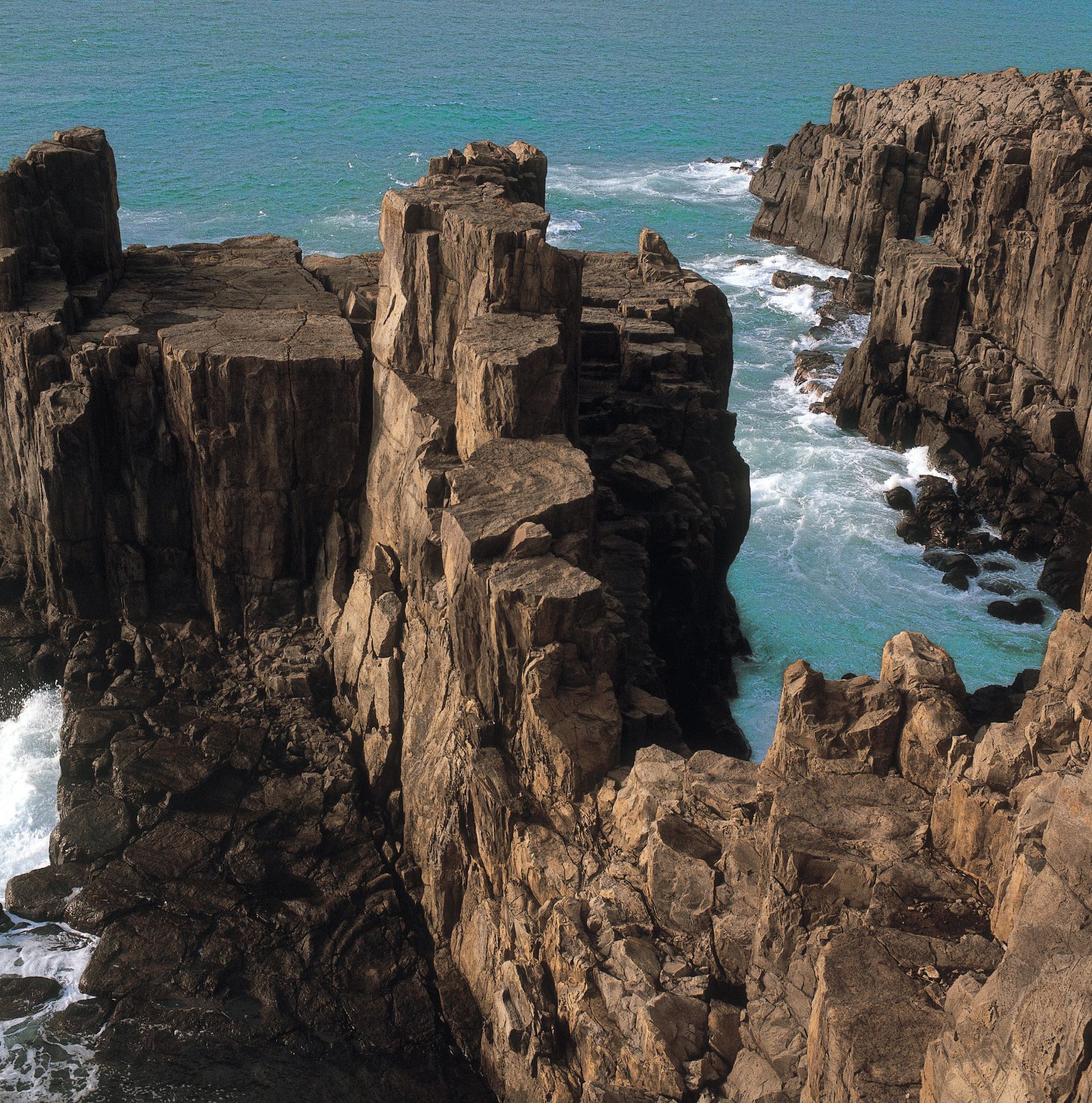
revered Mount Hakusan’s rivers unfold through rice fields, long nourishing local agriculture and communities, from sake brewing to washi paper making. Along the coast, Noto Peninsula’s jagged mosaic of bays and Echizen’s breathtaking cliffs lovingly frame the sea.
Together, they form a landscape where severity and abundance coexist. It is in this tension—between stillness and strength—that the people of Hokuriku have cultivated the region’s legacy.
Humans
and Nature
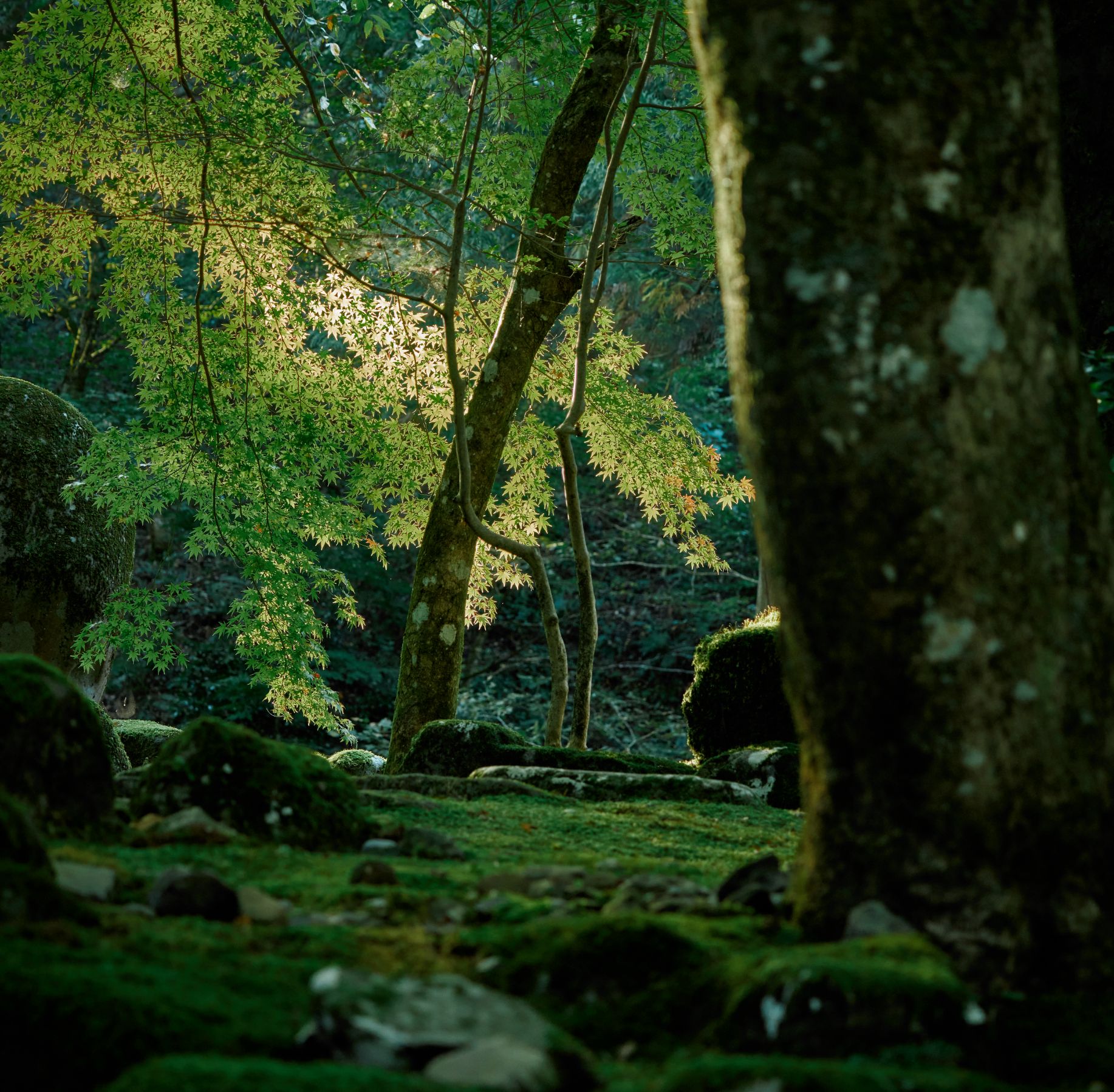
In Hokuriku, people have long chosen not to conquer nature but to respect and embrace it. Mountains rise as places of worship, and the environment serves as both a teacher and provider. Communities and nature follow the same rhythm, resulting in a harmonious relationship that is often absent from modern society.
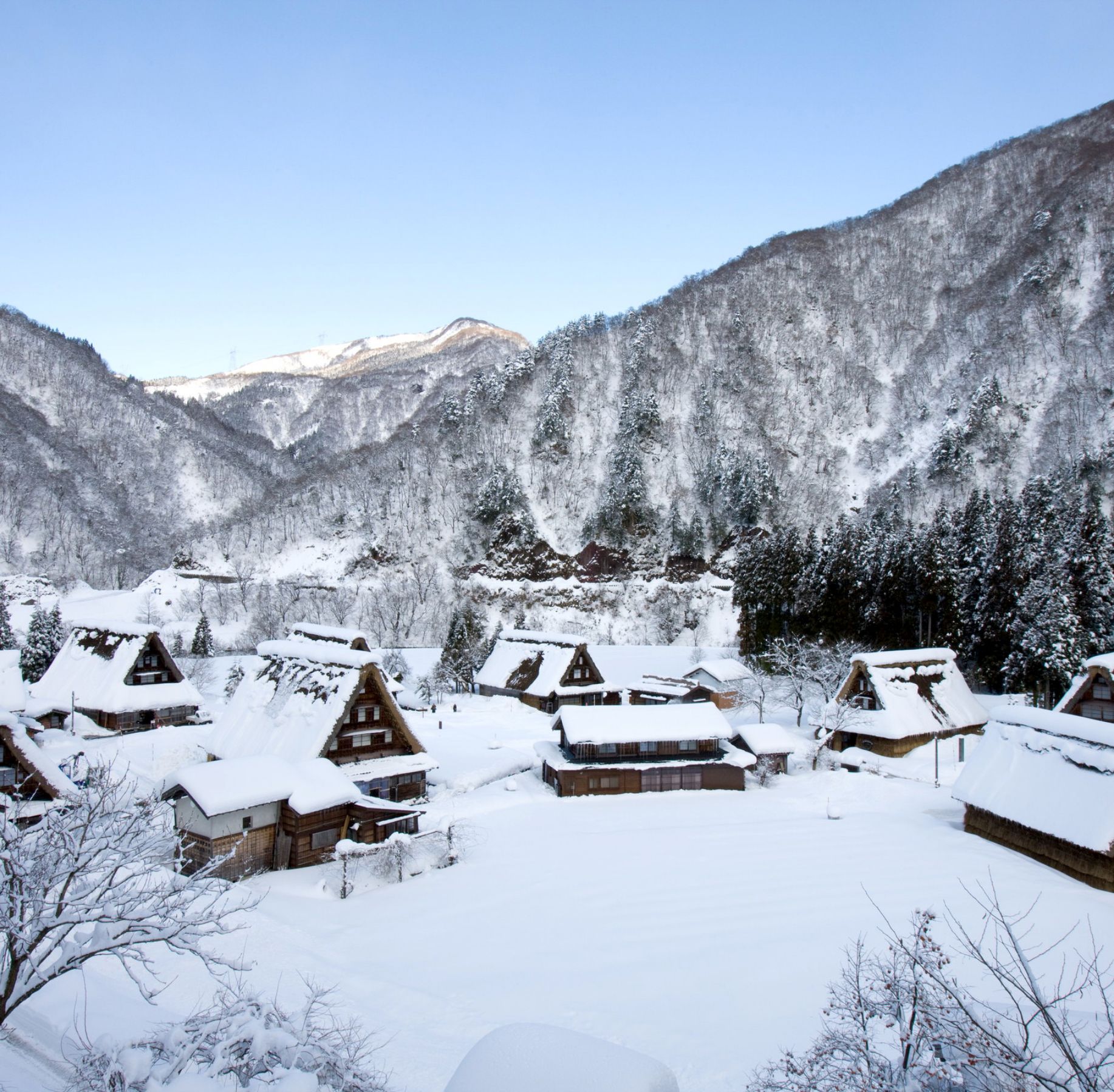
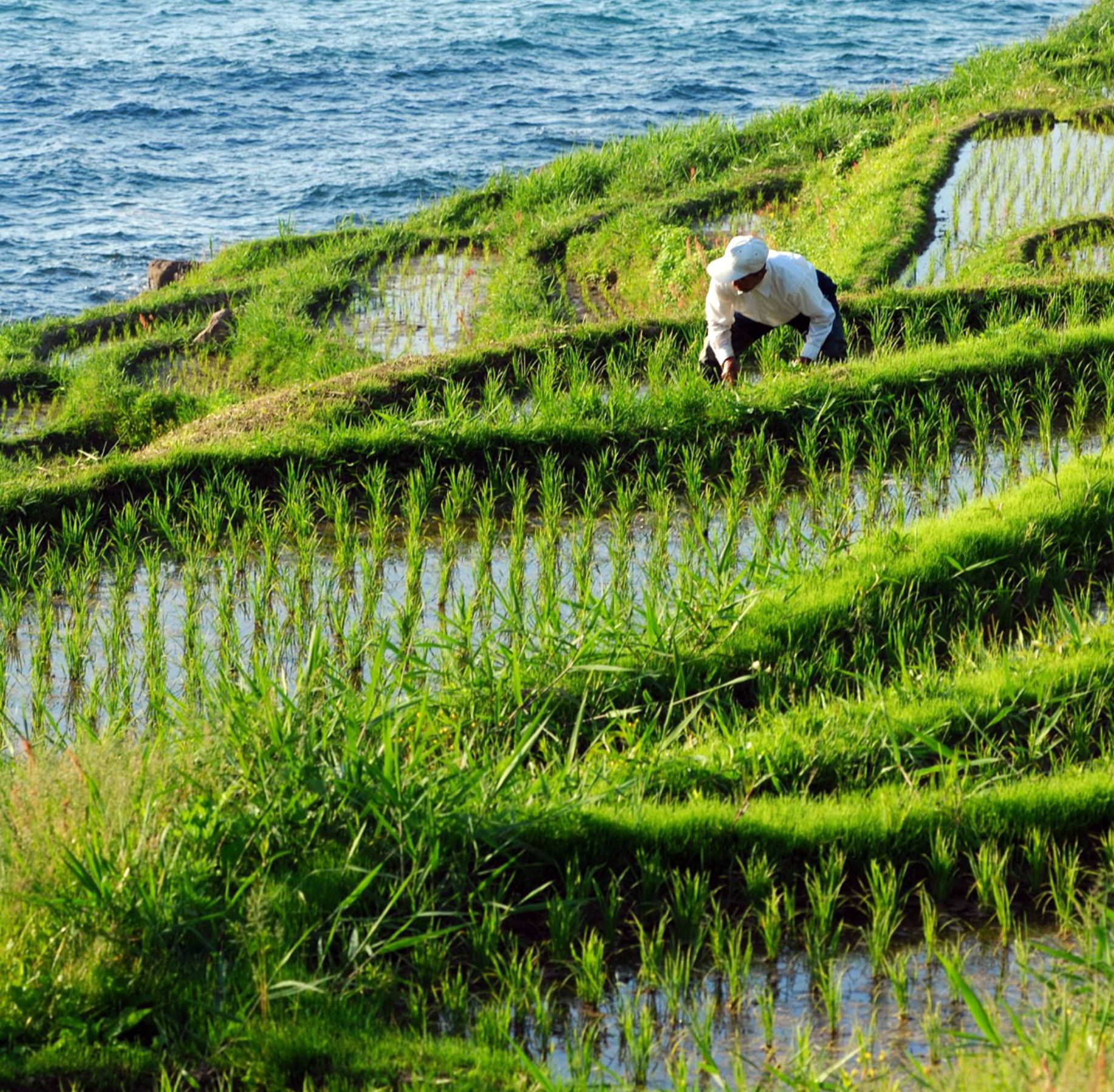
Nature’s impact is everywhere, from the steep roofs of the gassho-zukuri thatched-roof houses in Shirakawago and Gokayama—designed to shed snow—to the age-old, salt-harvesting techniques, terraced rice paddies, and windswept shorelines of the Noto region. In Fukui, centuries-old irrigation channels support not only agriculture but also traditional crafts.
Crafted
Beauty
Beauty in
Daily Life
Yo-no-bi. This Japanese phrase means ‘beauty in daily life’ — and is deeply aligned with the spirit of Hokuriku.
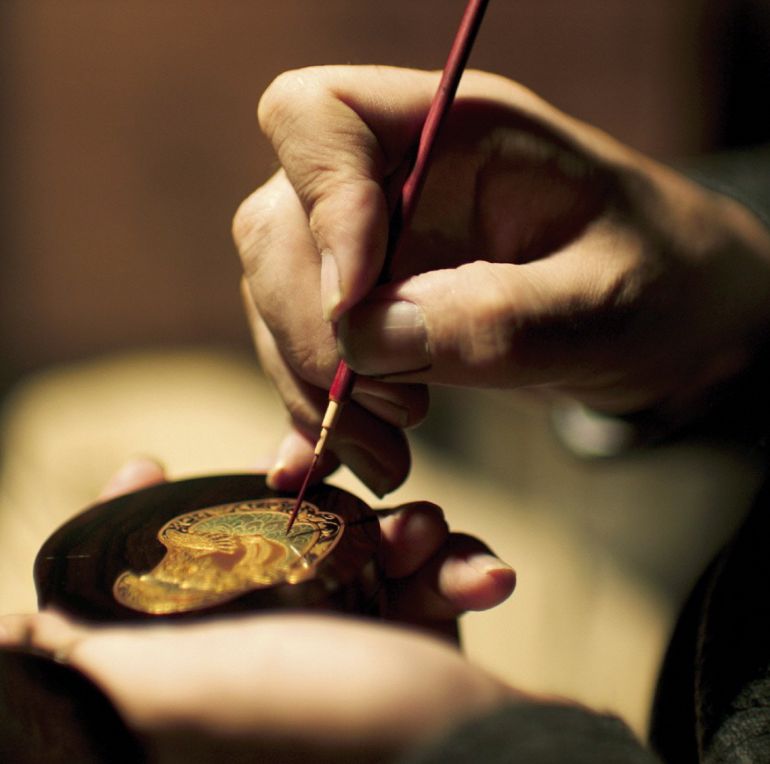
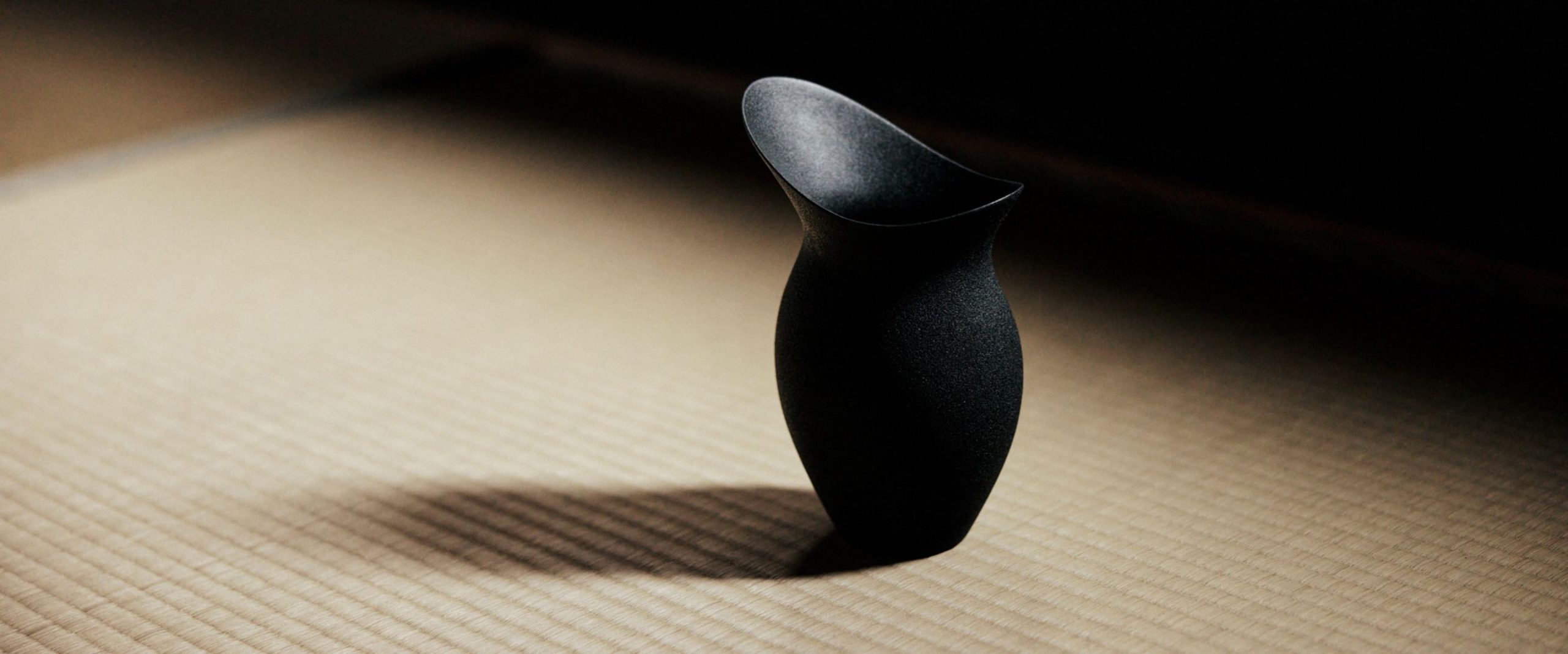
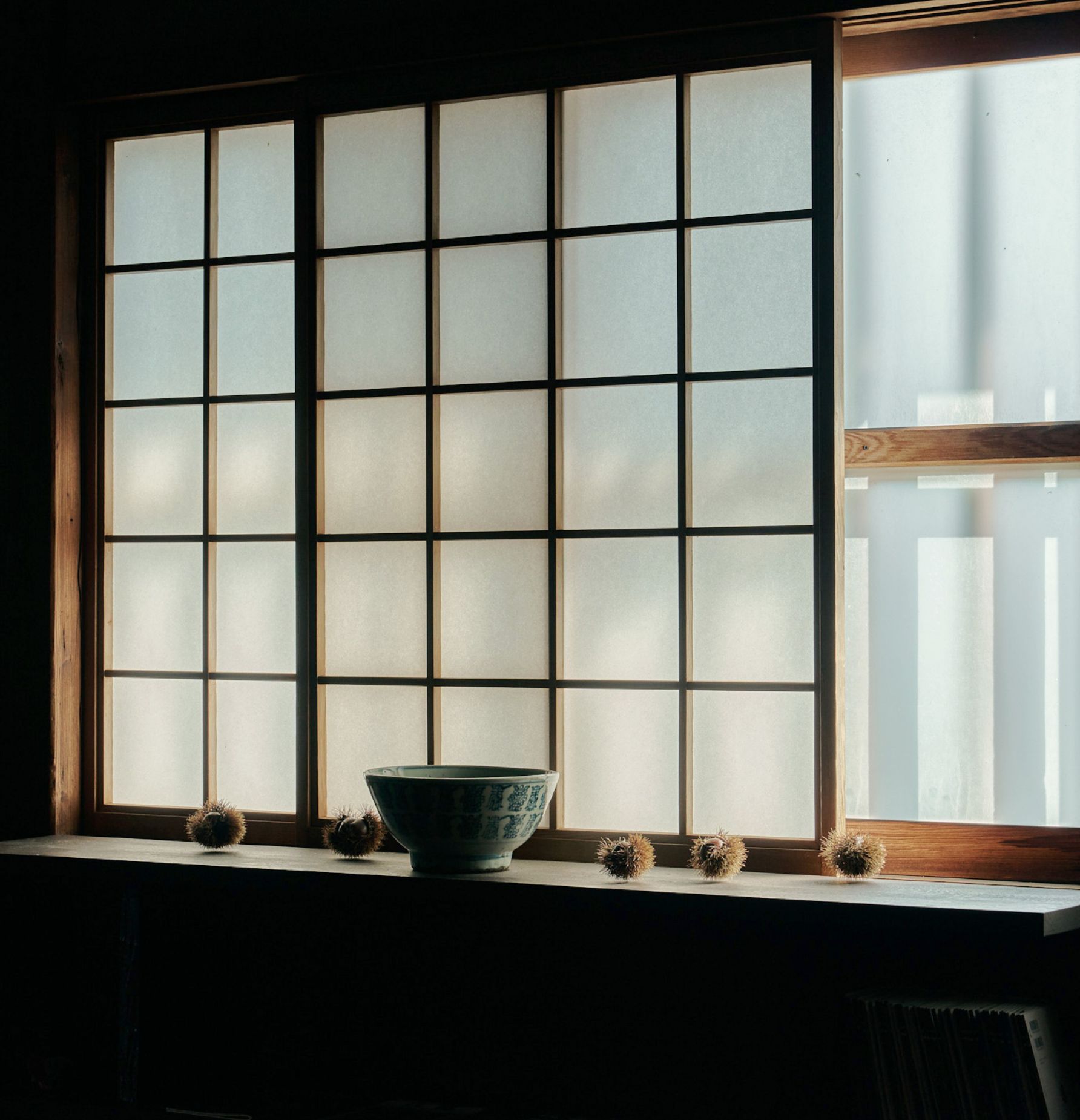
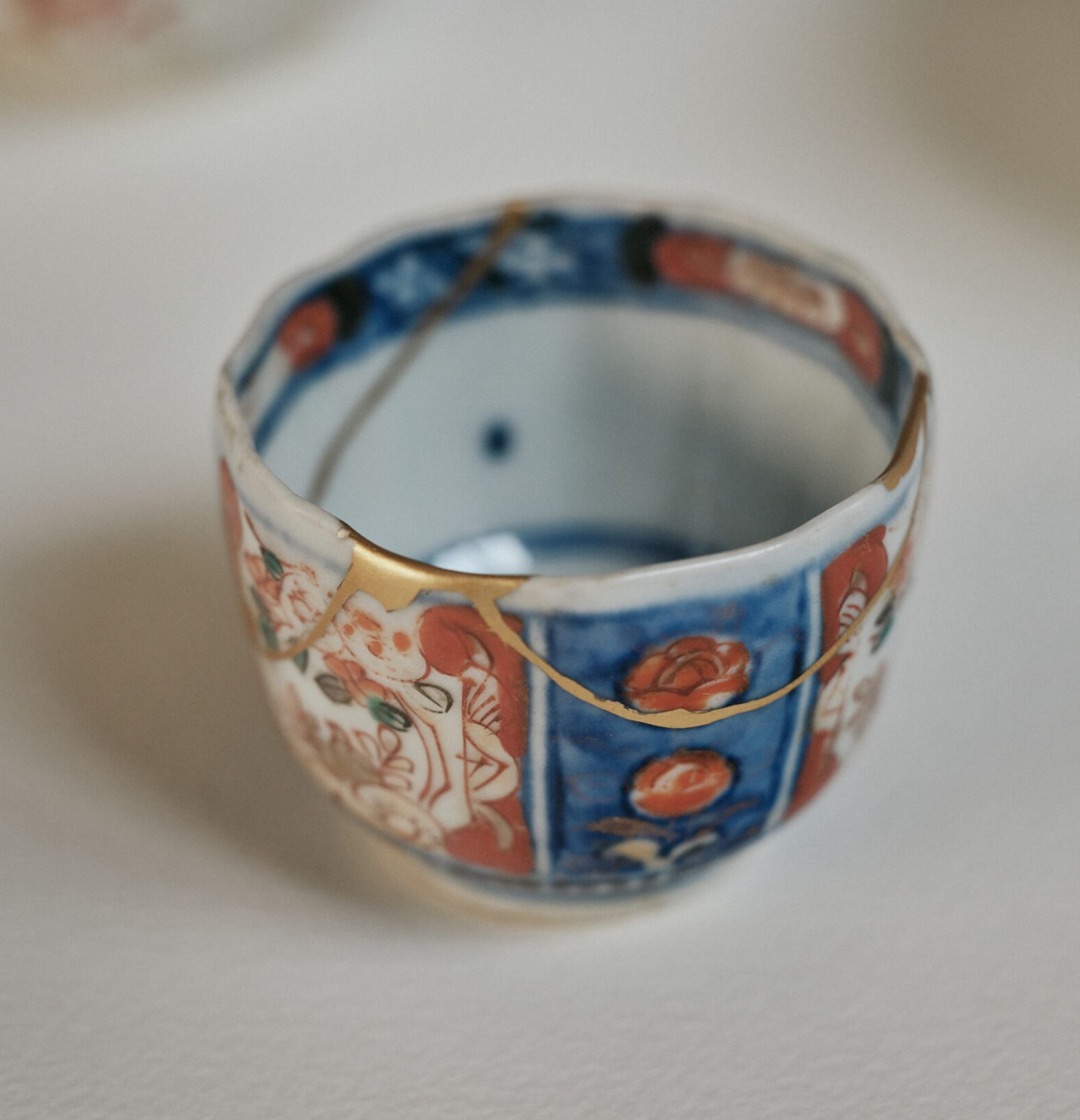
In this region, a singular beauty is present in the crafted details of the everyday. Beyond the decorative, it is interwoven into the quotidian and rooted in functionality — from kitchen tools to domestic spaces.
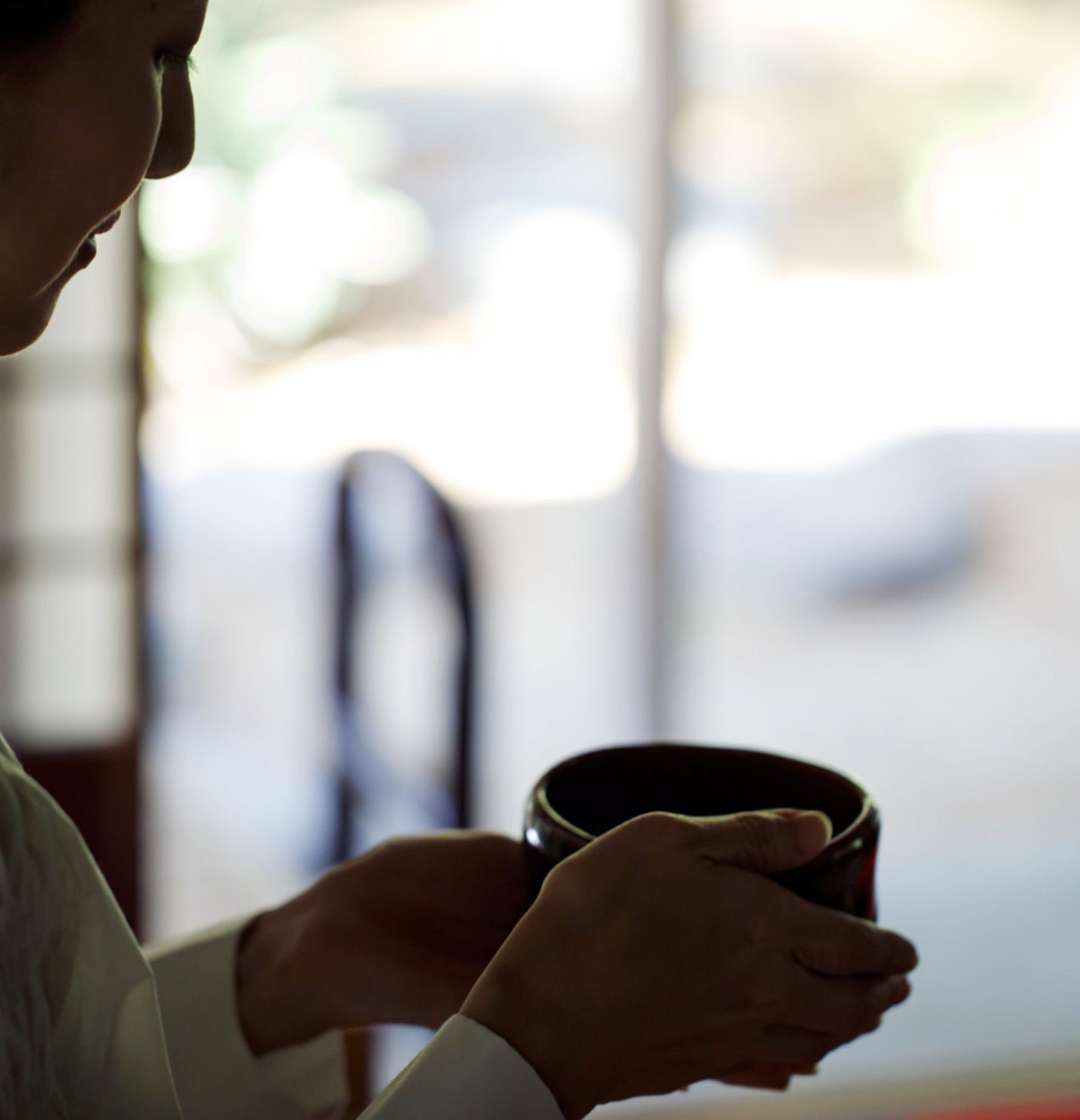
Moments of beauty quietly punctuate daily life— whether sipping soup from a bowl crafted from centuries-old Wajima-nuri lacquerware techniques; or placing micro-
seasonal ingredients from seas and mountains in local ceramic Kutani ware.
Key to this notion of beauty is the Hokuriku landscape, providing a rich source of materials for durable, functional crafts. Zen philosophies, rooted in ideas of spatial harmony and the beauty of impermanence, further shape these objects.
And each craft quietly complements the rhythms of daily life, containing the wisdom of nature, spirituality and generations of humanity.
Hokuriku
Crafts
Paper. Temple bells. Lacquer. Ceramics.
Hokuriku is a region steeped in centuries-old craftsmanship, each tradition shaped in harmony with the surrounding landscape.
For generations, Hokuriku’s people have cherished culture as both art and industry—
a dual spirit that has guided makers for generations. Unlike Kyoto, where decorative arts flourished for courts and temples, Hokuriku’s crafts grew from necessity, molded to withstand relentless rain, drifting snow, and the quiet severity of northern seasons. Beauty and function were never separate; they naturally intertwined, forming a sensibility in which mass production and meticulous handwork coexist within the same workshop. Artists, artisans, and manufacturers share one community, exchanging ideas as readily as they share materials and techniques. This rare mixture allows tradition and innovation to breathe the same air. Thus, in Hokuriku, one can witness enduring crafts and bold new expressions side by side—a harmony found almost nowhere else in Japan.
Paper
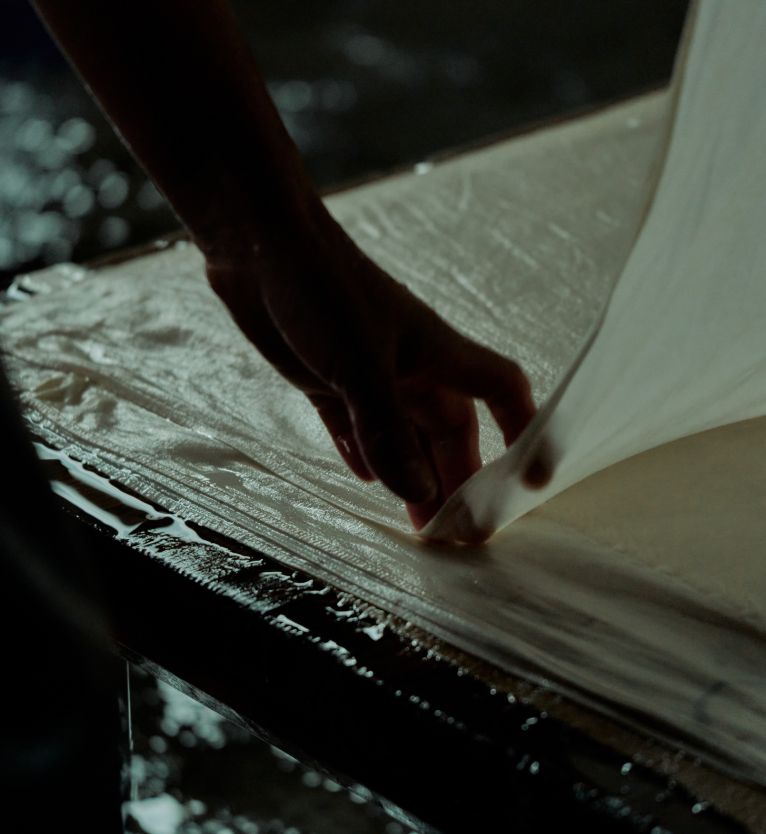
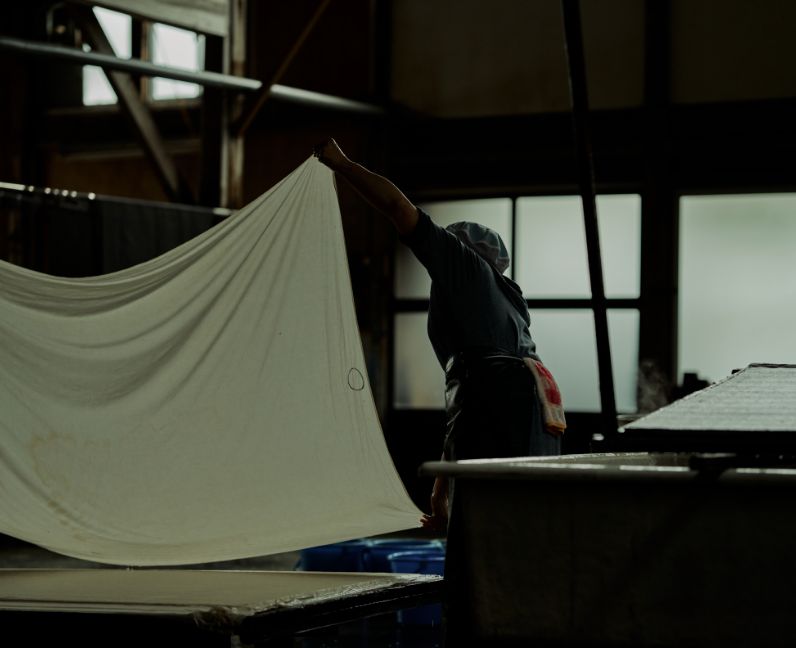
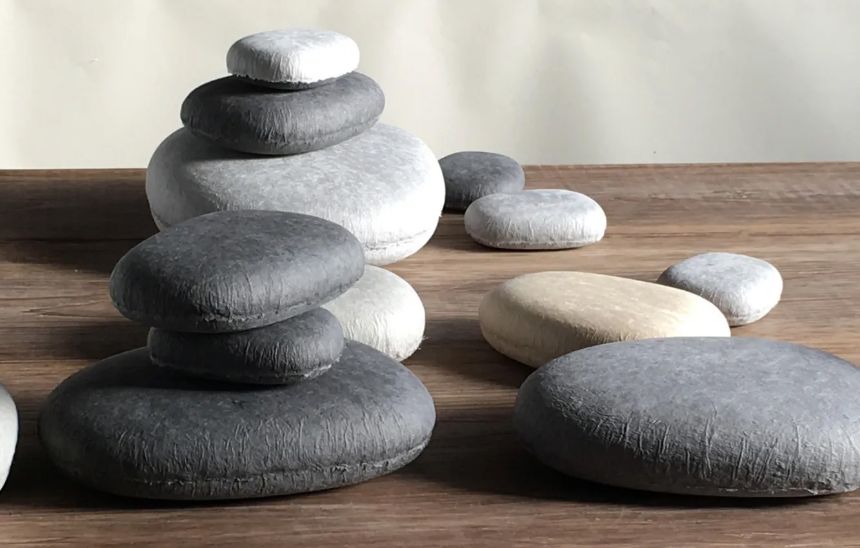
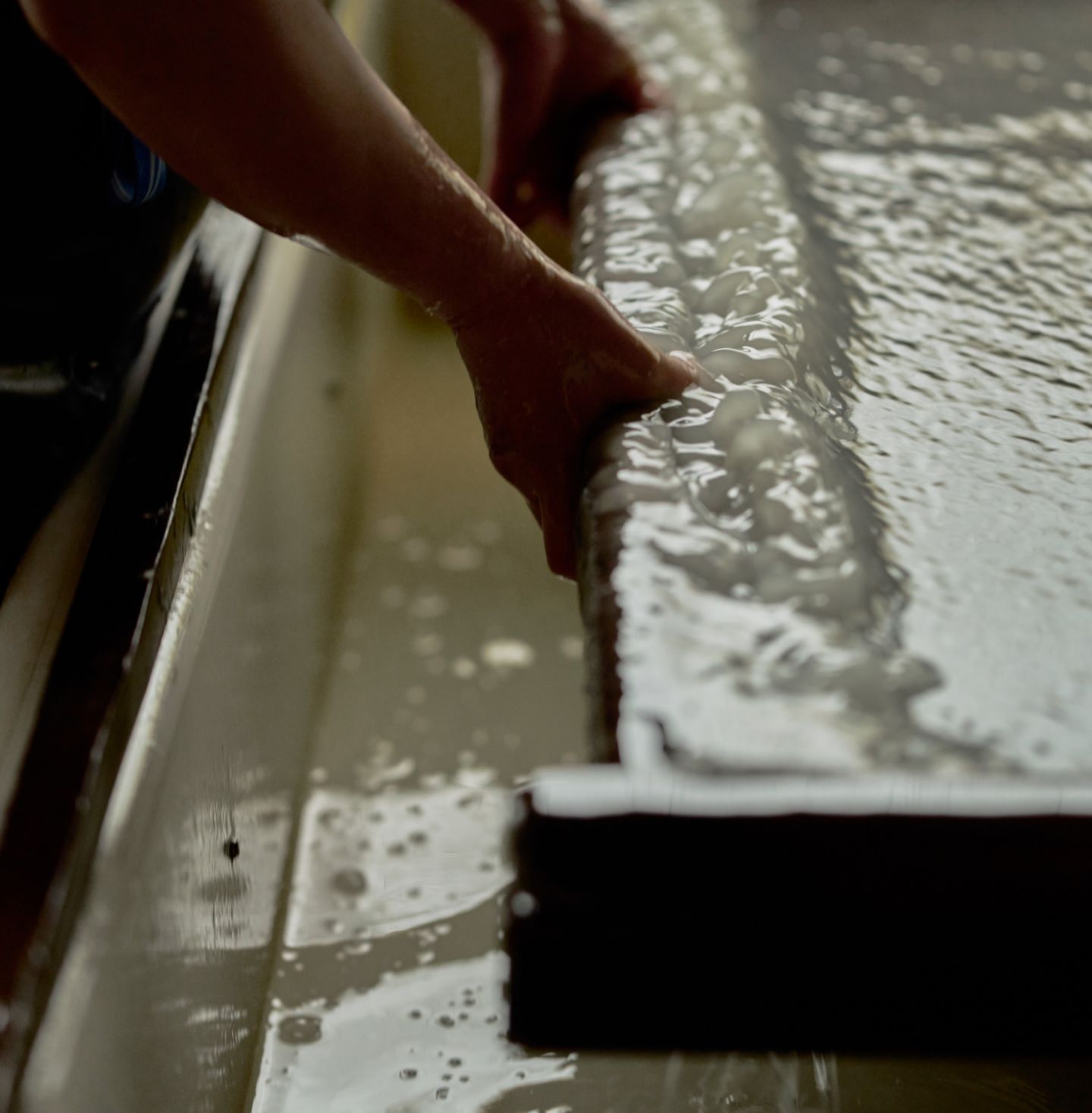
Echizen Washi, born from pure mountain water and 1,500 years of skill, has long been cherished for its supple strength and clear luminosity. At Yanase Washi, this beloved craft lives on in the harukami cobble series—pebble-like paper boxes crafted to quietly accompany and enrich everyday life.
Ceramics
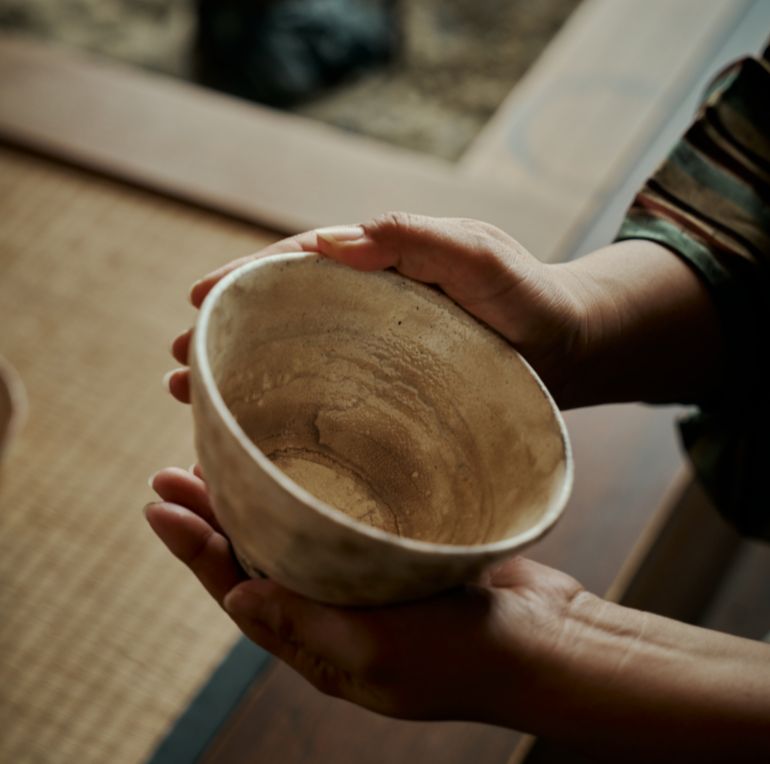
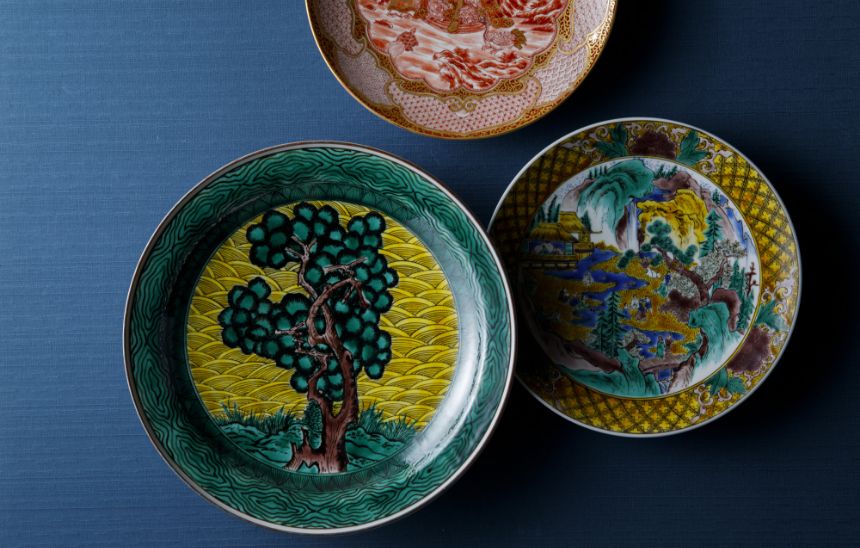
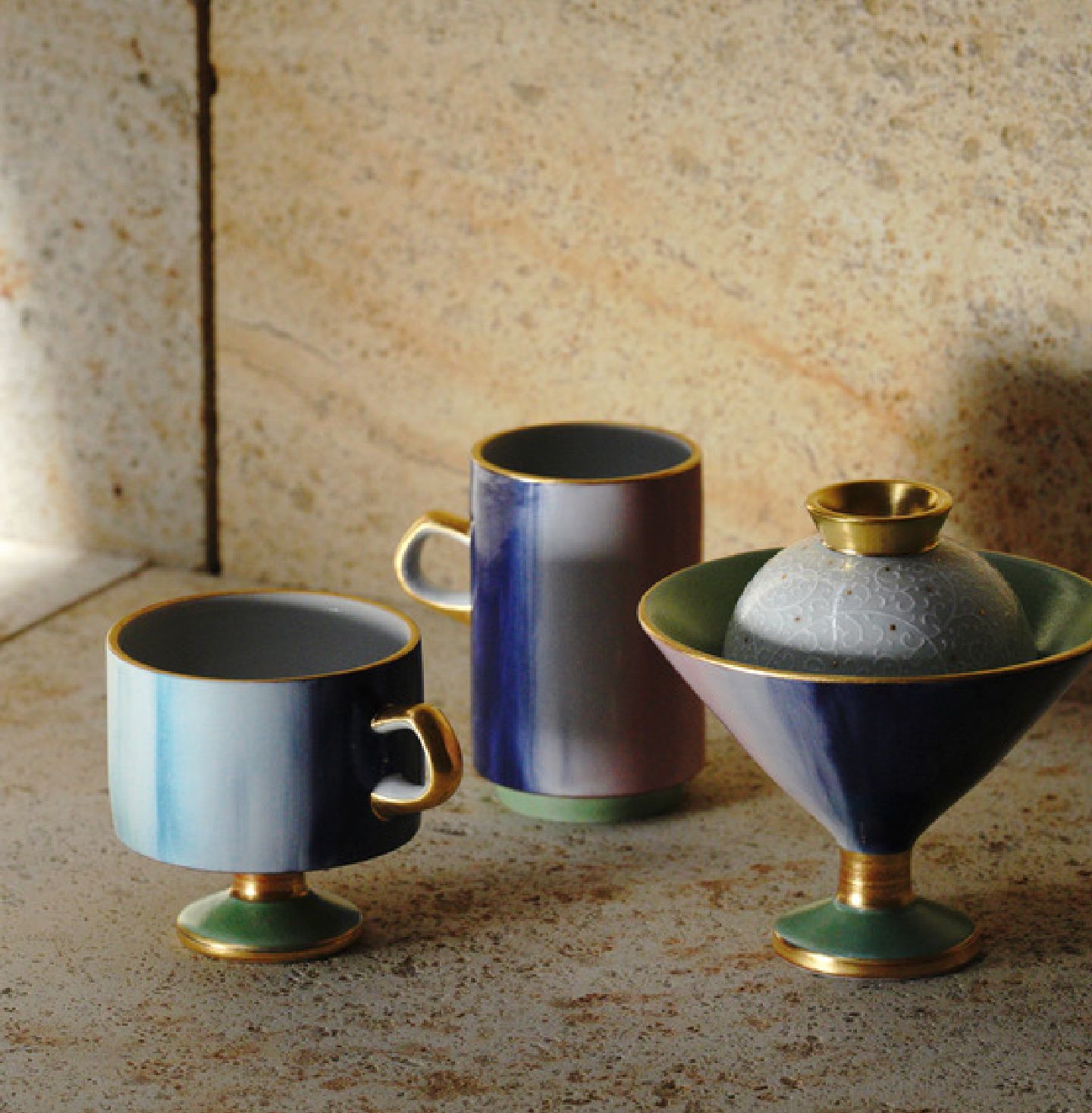
Kutani ware, with its vivid colors and expressive brushwork, has long celebrated the beauty found in daily life. At Kinzan Kiln, this tradition meets contemporary art, where bold collaborations and refined technique create new forms of porcelain that honor centuries of craftsmanship while carrying a modern vitality.
Carving
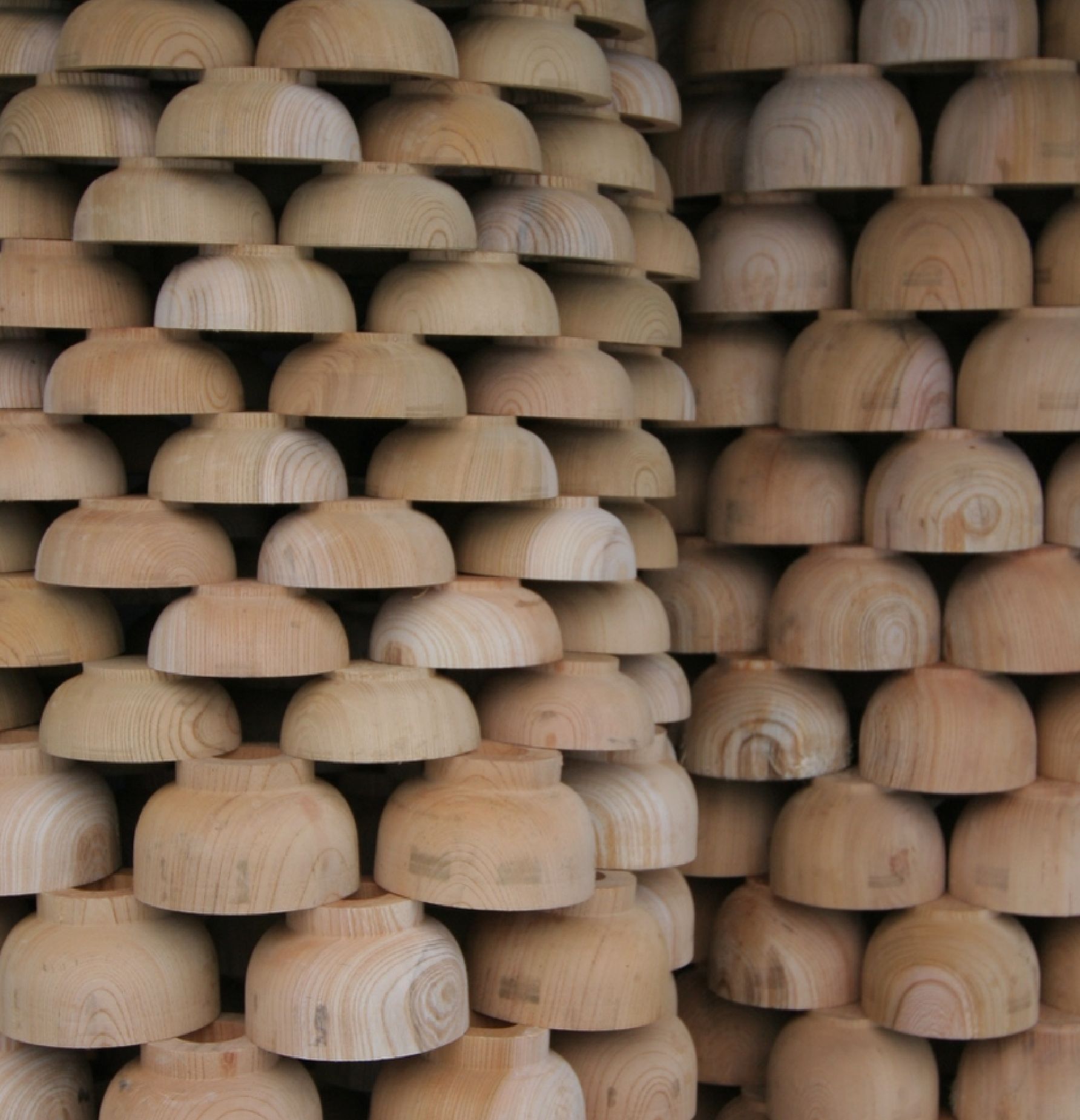
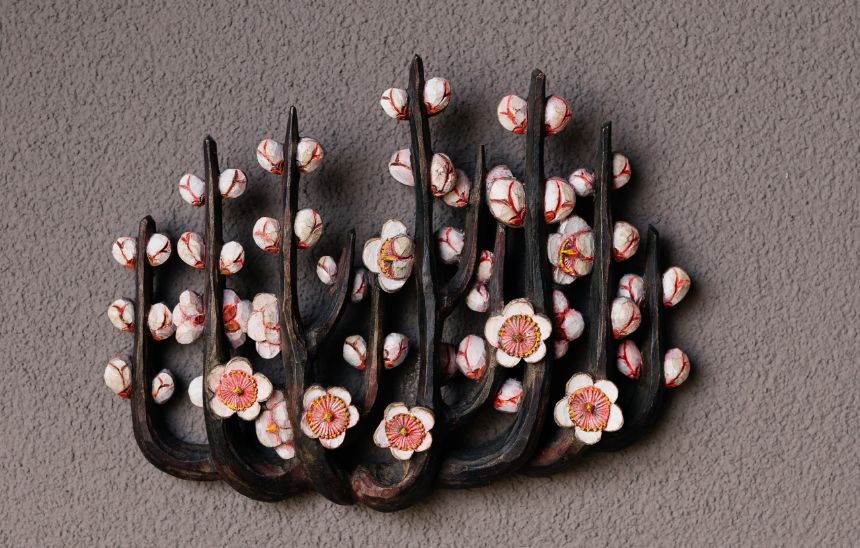
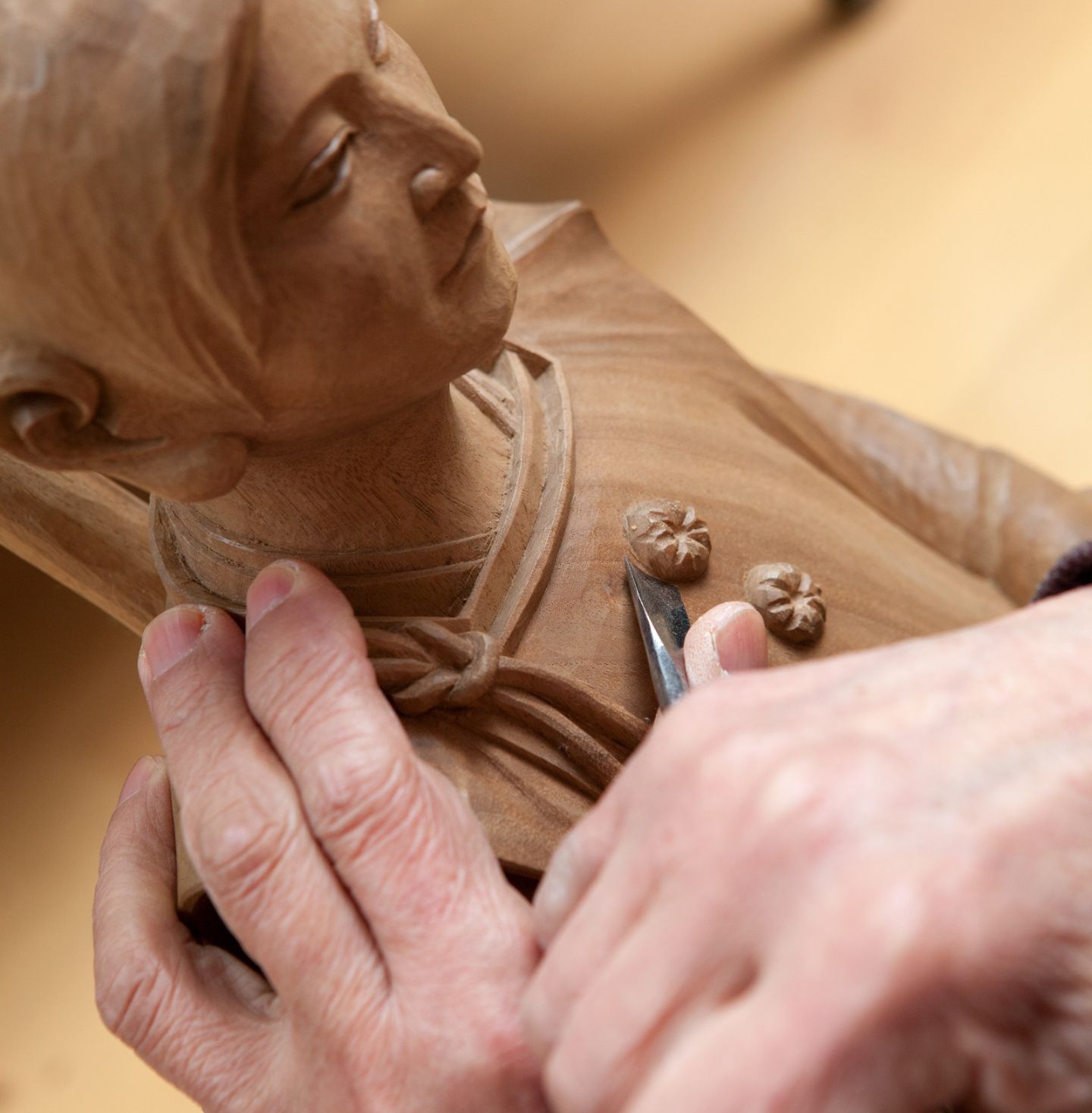
Inami woodcarving, known for its intricate depth and rhythmic chisel work, has upheld centuries of sculptural tradition. Artist Daichi Maekawa brings new life to this heritage, carving forms that complement daily living and blending long-honed precision with flexible, contemporary creativity.
Lacquer
Echizen Lacquerware
Wajima Lacquerware
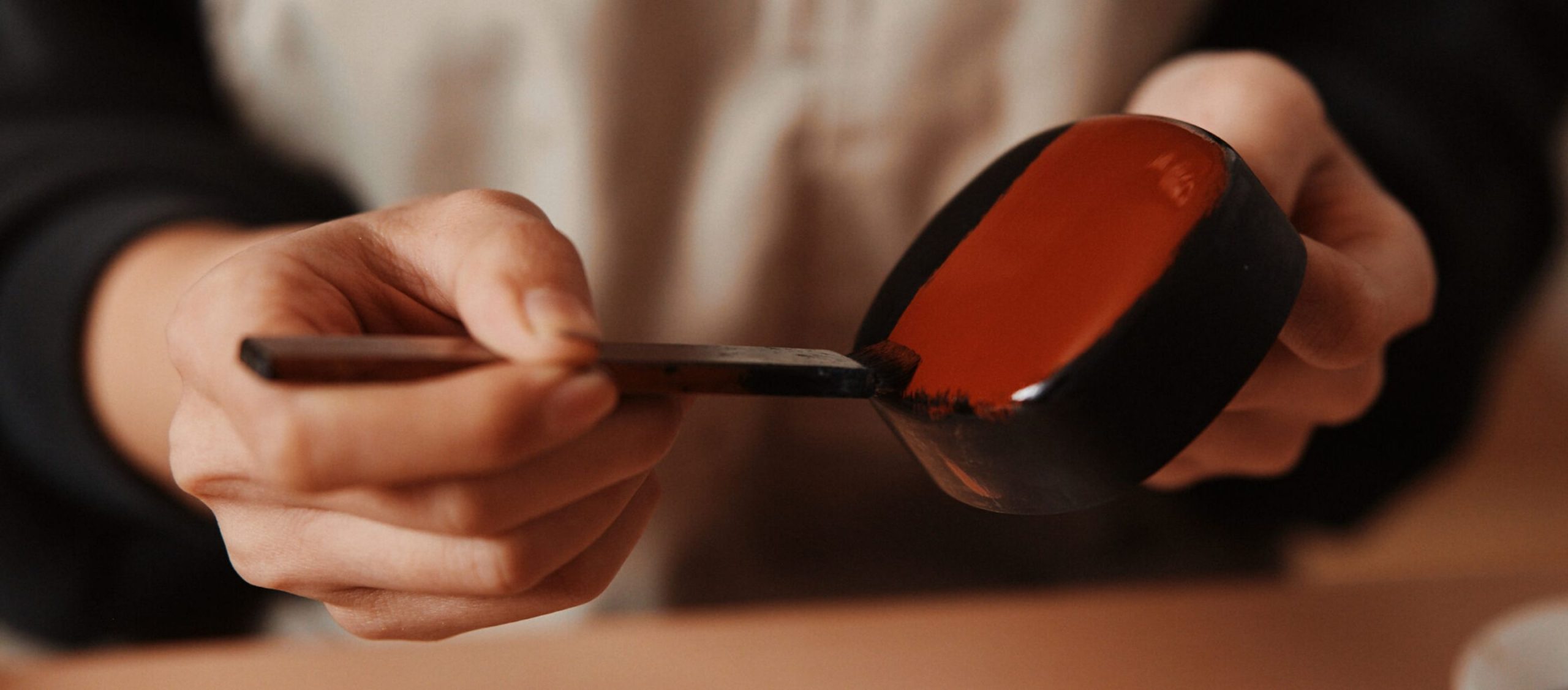
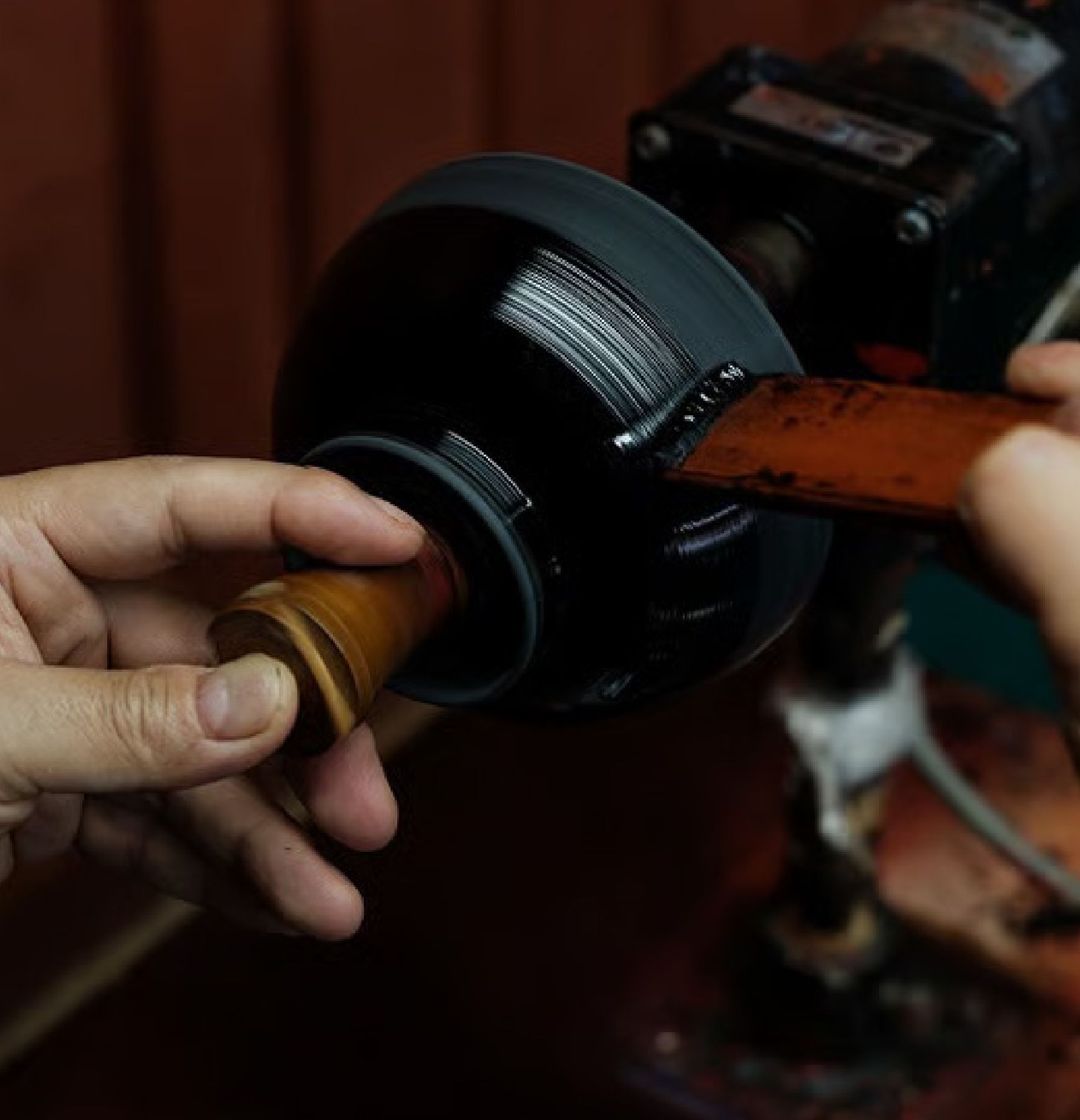
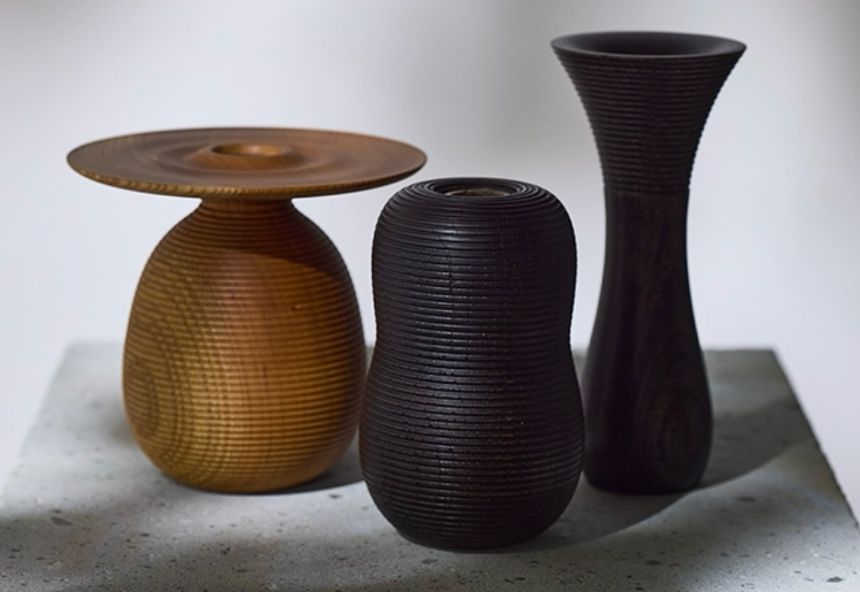
Hokuriku’s lacquer traditions, preserved in the famed craft centers of Echizen, Yamanaka, and Wajima, blossomed in a climate ideal for urushi (natural lacquer) and were shaped by Buddhism and trade. Today, contemporary makers infuse new forms and colors into this heritage, creating lacquerware that carries creativity into the future.
Cast Metal
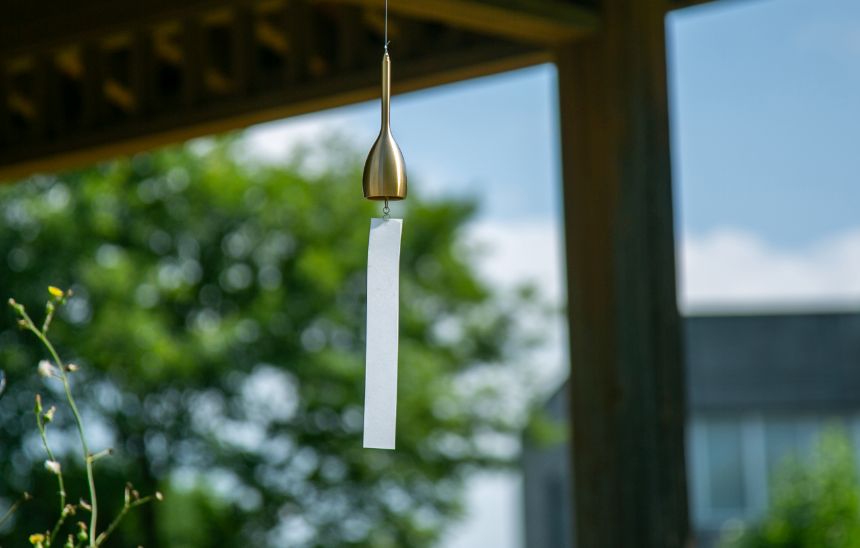
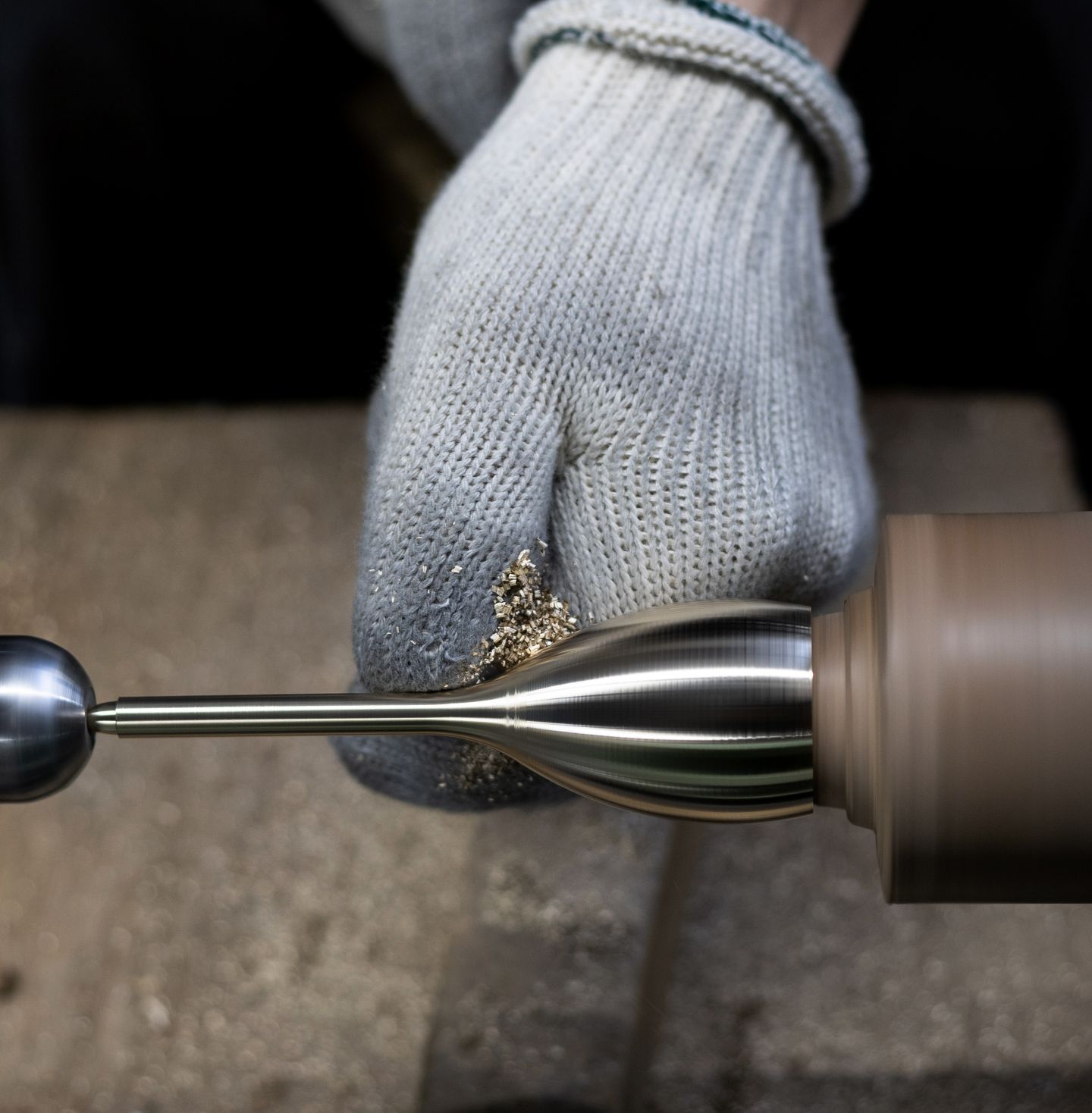
Takaoka copperware, known for its refined casting and resonant beauty, has been passed down by craftspeople for over four centuries. Founded as a producer of Buddhist altar wares, the Nousaku Foundry now layers contemporary sensibilities onto this heritage, creating new metalwork that enriches daily life while honoring traditions forged through history.
Glass
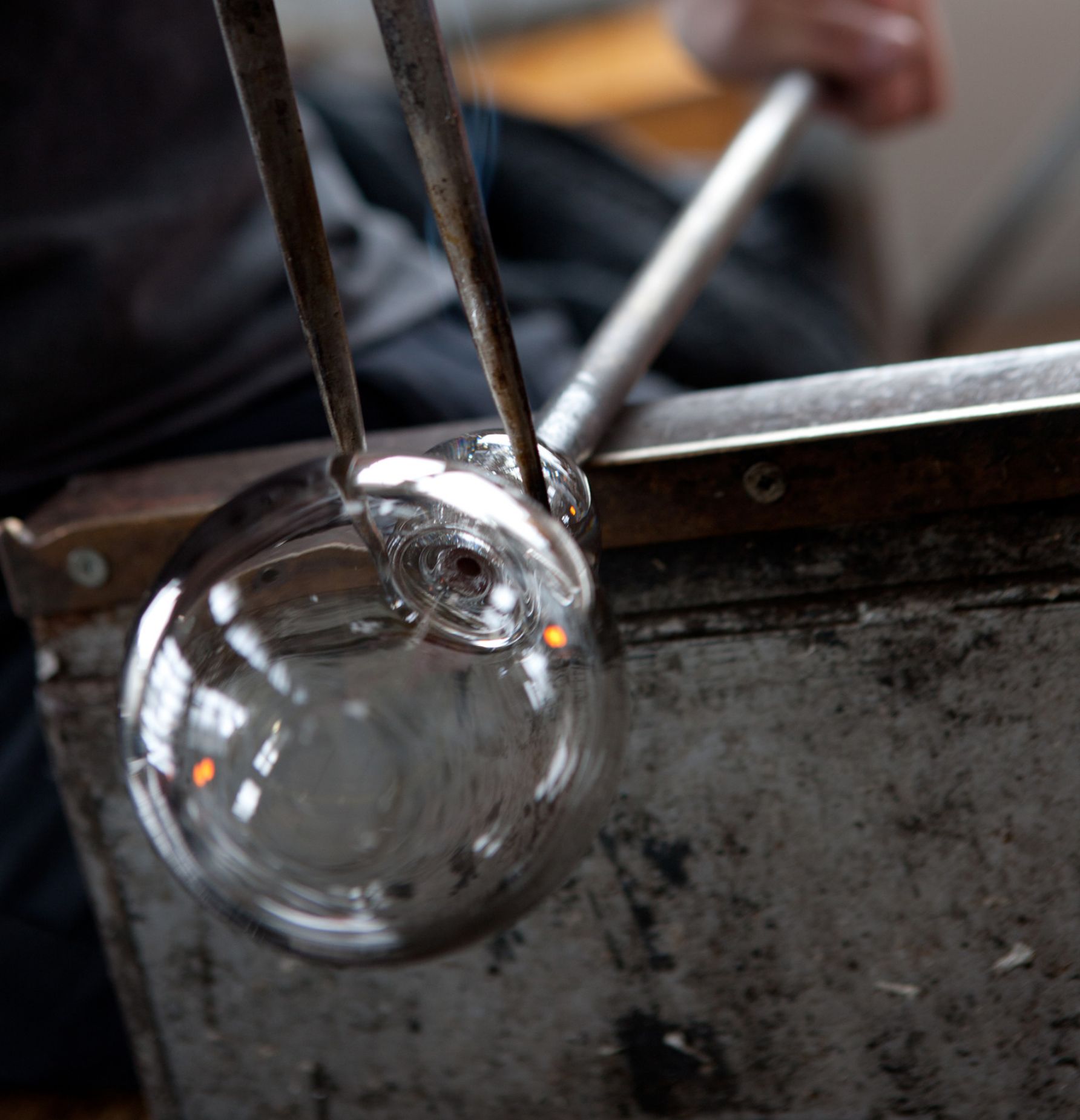
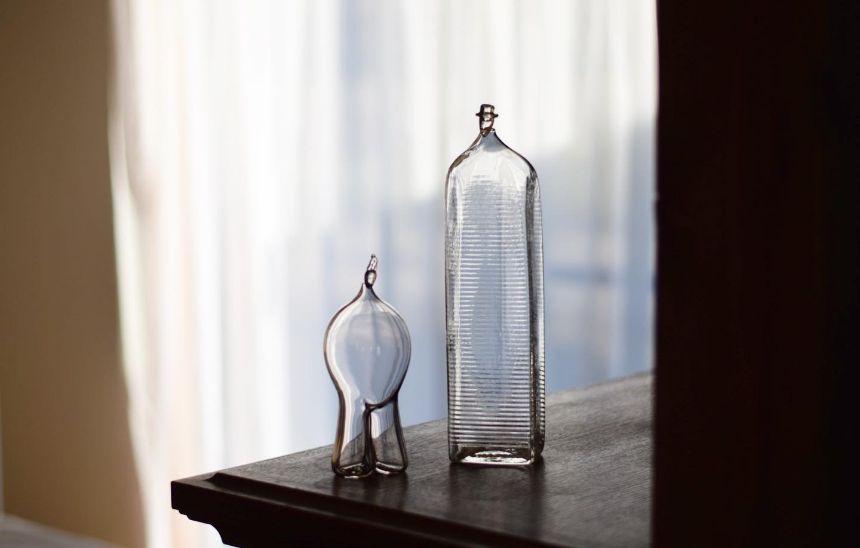
Toyama, a past and present leader in pharmaceuticals, built a strong foundation for glassmaking through its dominance in producing medicine bottles. From this environment, glass artist Takeyoshi Mitsui emerged, expanding the possibilities of glass with fresh, free-flowing expression that carries a vivid sense of life.
Textile
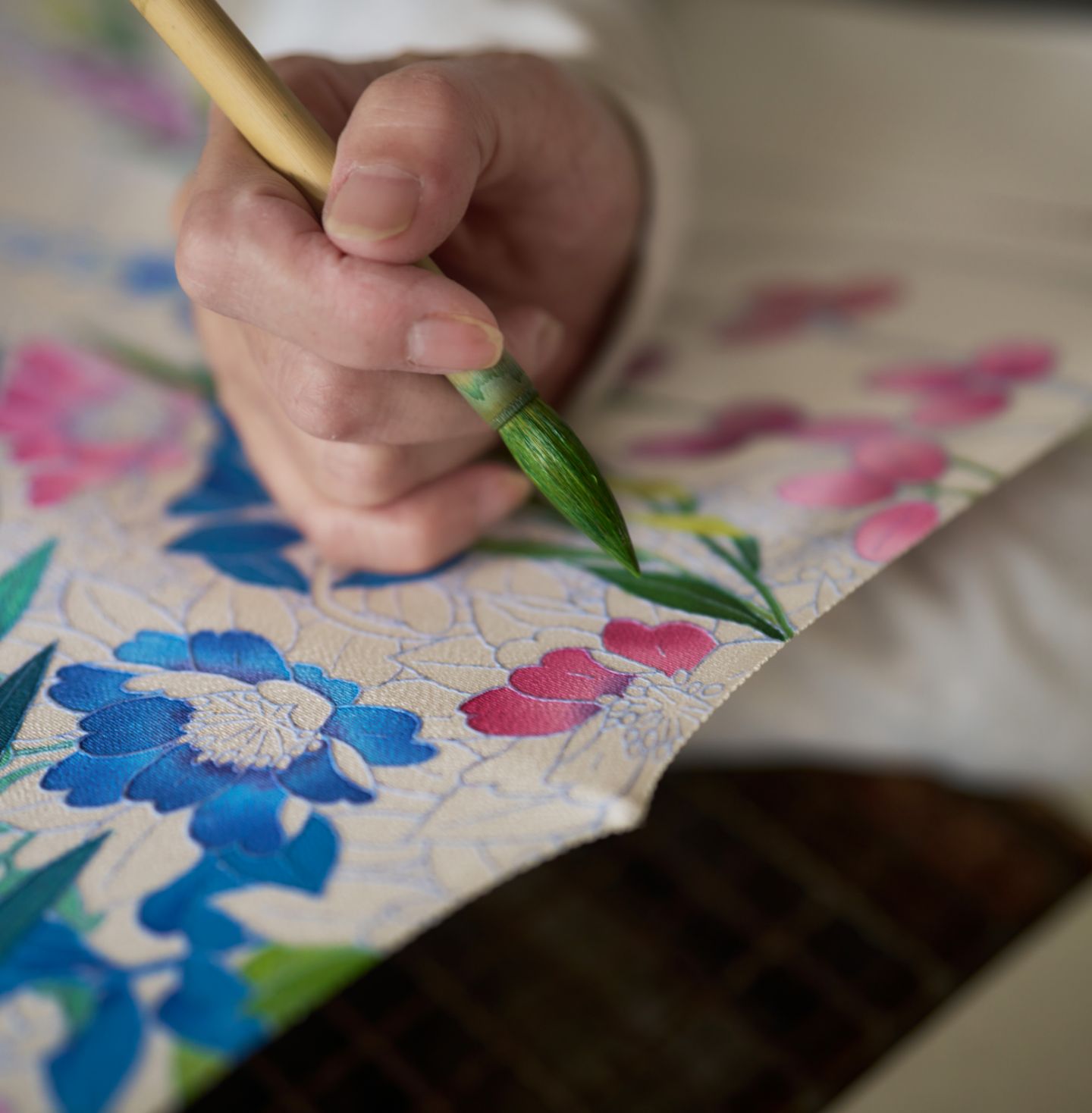
Kaga Yuzen, known for its delicate hand-painting and nature-inspired motifs, reflects centuries of refined dyeing tradition. At Kaga Yuzen Maida, every step of the process unfolds within one studio. Each line and petal is created without interruption, quietly uniting ancient techniques with a contemporary artistic spirit.


Paper
Echizen Washi, born from pure mountain water and 1,500 years of skill, has long been cherished for its supple strength and clear luminosity. At Yanase Washi, this beloved craft lives on in the harukami cobble series—pebble-like paper boxes crafted to quietly accompany and enrich everyday life.
Ceramics
Kutani ware, with its vivid colors and expressive brushwork, has long celebrated the beauty found in daily life. At Kinzan Kiln, this tradition meets contemporary art, where bold collaborations and refined technique create new forms of porcelain that honor centuries of craftsmanship while carrying a modern vitality.
Carving
Inami woodcarving, known for its intricate depth and rhythmic chisel work, has upheld centuries of sculptural tradition. Artist Daichi Maekawa brings new life to this heritage, carving forms that complement daily living and blending long-honed precision with flexible, contemporary creativity.
Lacquer
Echizen Lacquerware
Wajima Lacquerware
Hokuriku’s lacquer traditions, preserved in the famed craft centers of Echizen, Yamanaka, and Wajima, blossomed in a climate ideal for urushi (natural lacquer) and were shaped by Buddhism and trade. Today, contemporary makers infuse new forms and colors into this heritage, creating lacquerware that carries creativity into the future.
Cast Metal
Takaoka copperware, known for its refined casting and resonant beauty, has been passed down by craftspeople for over four centuries. Founded as a producer of Buddhist altar wares, the Nousaku Foundry now layers contemporary sensibilities onto this heritage, creating new metalwork that enriches daily life while honoring traditions forged through history.
Glass
Toyama, a past and present leader in pharmaceuticals, built a strong foundation for glassmaking through its dominance in producing medicine bottles. From this environment, glass artist Takeyoshi Mitsui emerged, expanding the possibilities of glass with fresh, free-flowing expression that carries a vivid sense of life.
Textile
Kaga Yuzen, known for its delicate hand-painting and nature-inspired motifs, reflects centuries of refined dyeing tradition. At Kaga Yuzen Maida, every step of the process unfolds within one studio. Each line and petal is created without interruption, quietly uniting ancient techniques with a contemporary artistic spirit.
Mindful
Moments
Essence
of Zen
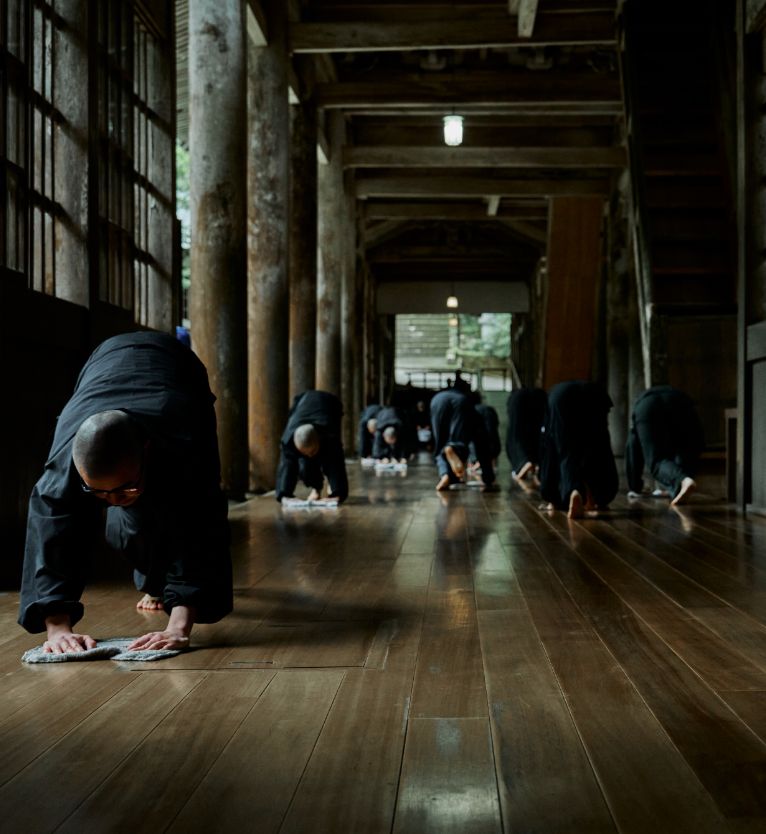
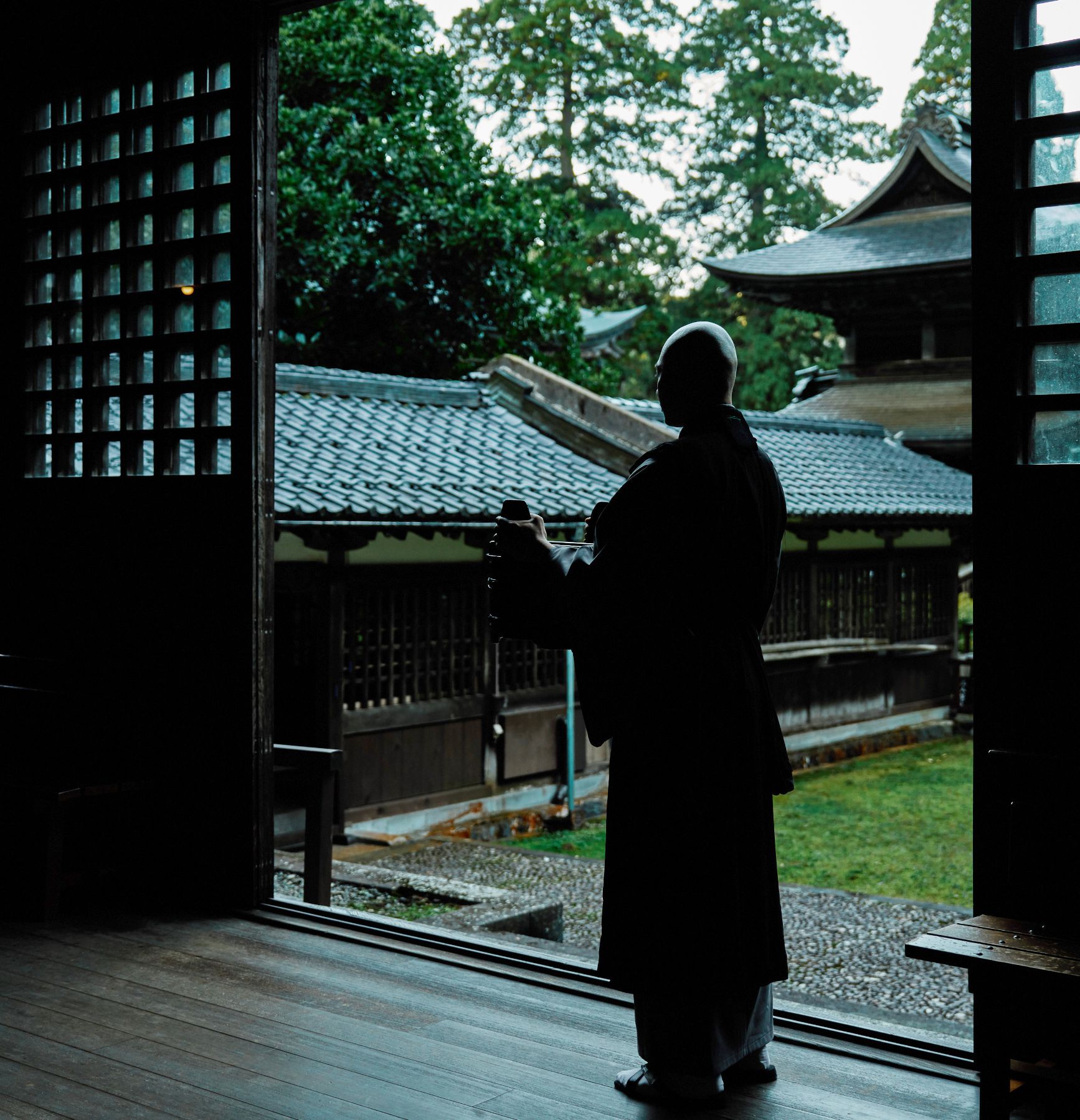
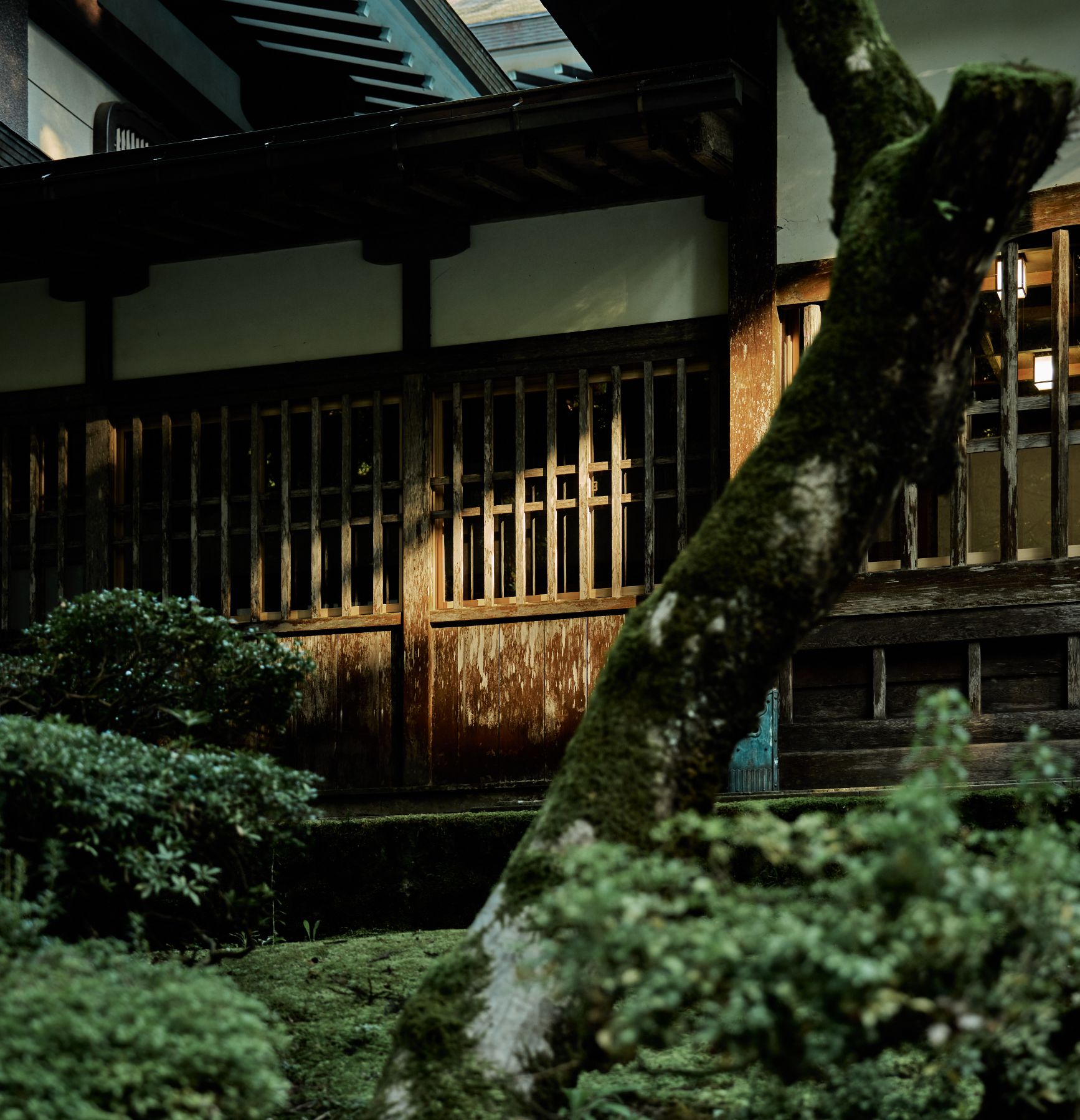
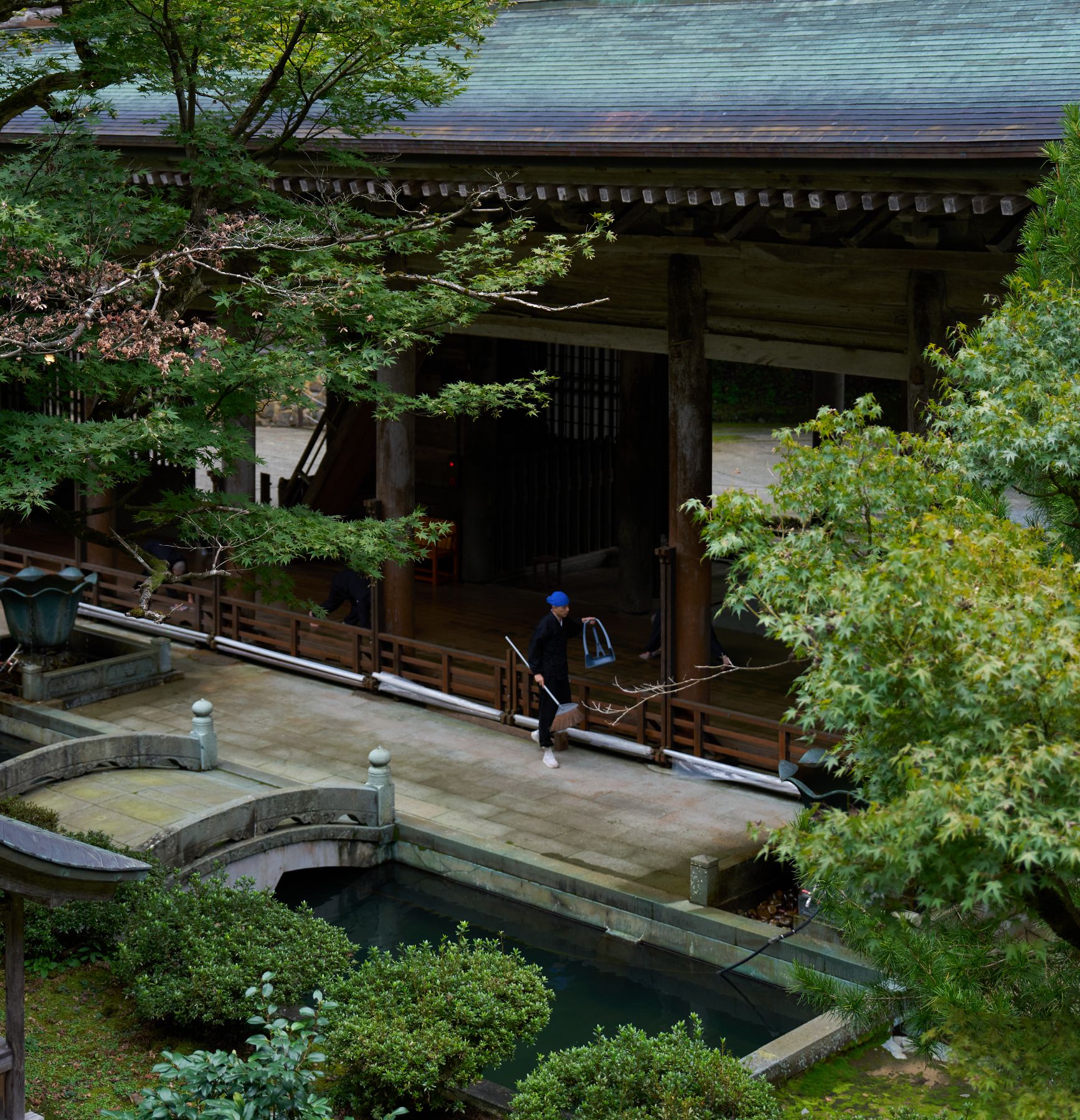
Deep within a cedar forest, Eiheiji Temple embodies the living heart of Zen, where monks rise before dawn and move in rhythm with the natural world. Here, enlightenment is not found in the extraordinary, but in the calm of everyday being.
That spirit extends beyond the temple walls, shaping the temperament of Fukui—working quietly, honoring natural materials, removing the unnecessary. It flows through lacquerware, washi paper, and ceramics made not for display, but for daily use. Immersed in this harmony between nature and mindfulness, visitors come to sense that Zen is not apart from life, but discovered in its smaller moments—the warmth of a bowl, the grain of wood, the quiet clarity found in simple things.
Buddhist
Living
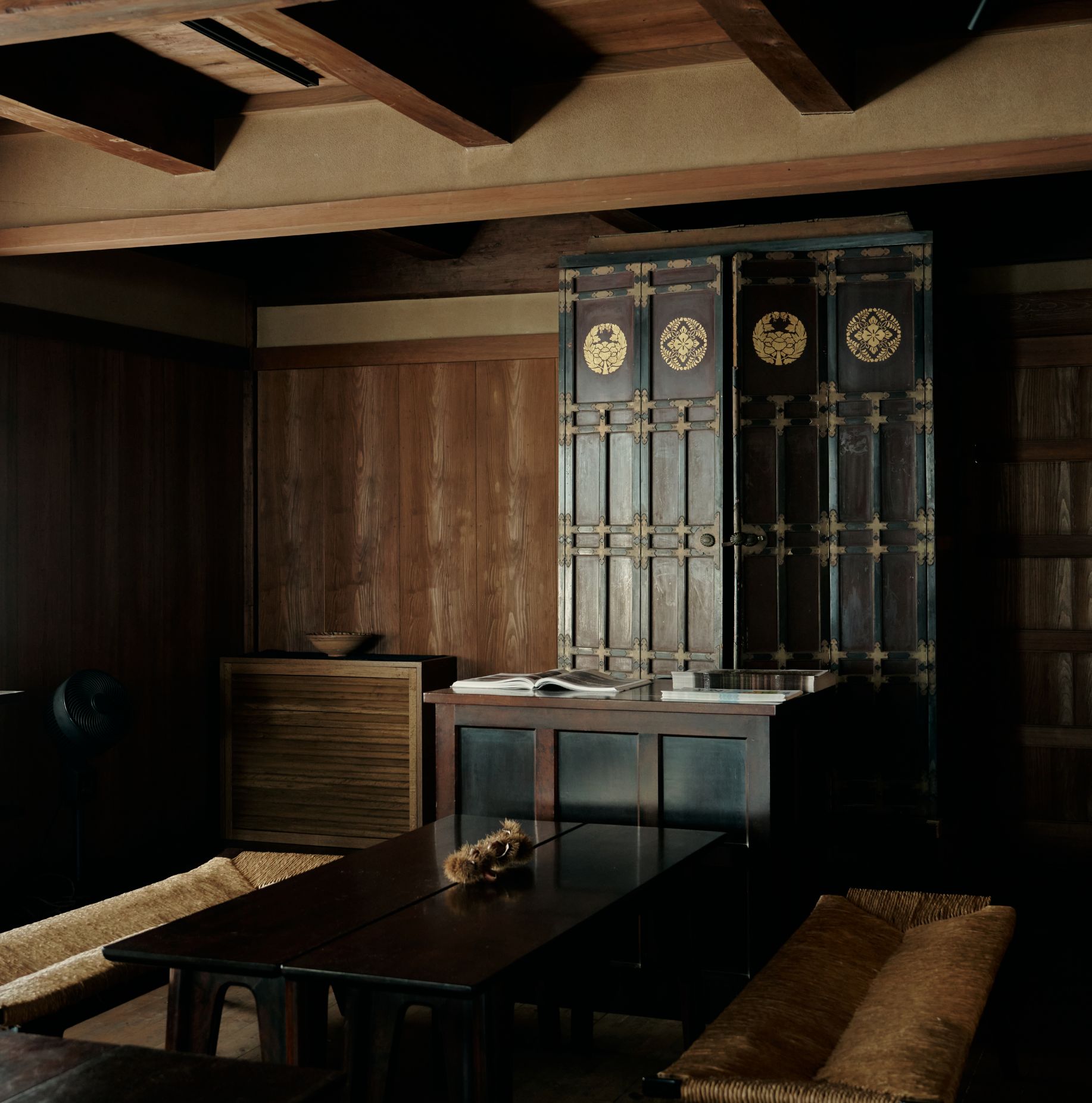
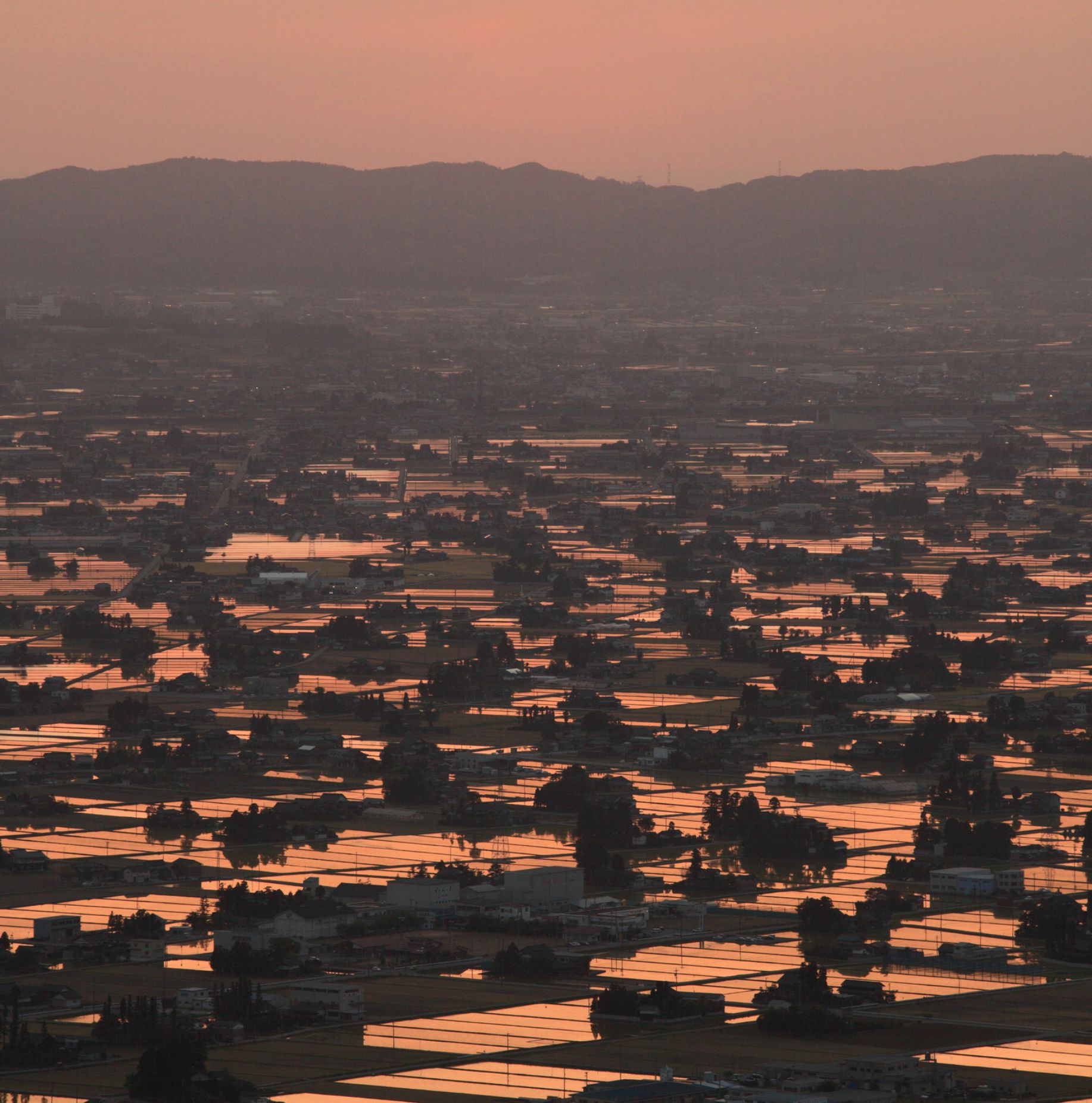
Across the wide plains of Toyama, traditional farmhouses stand like miniature islands in a sea of rice fields—an enduring landscape known as sankyoson, or scattered villages. They remain a living, breathing example of Japan’s original landscape. Sheltered by groves of trees and bound by waterways, each home reflects a life attuned to nature’s rhythm.
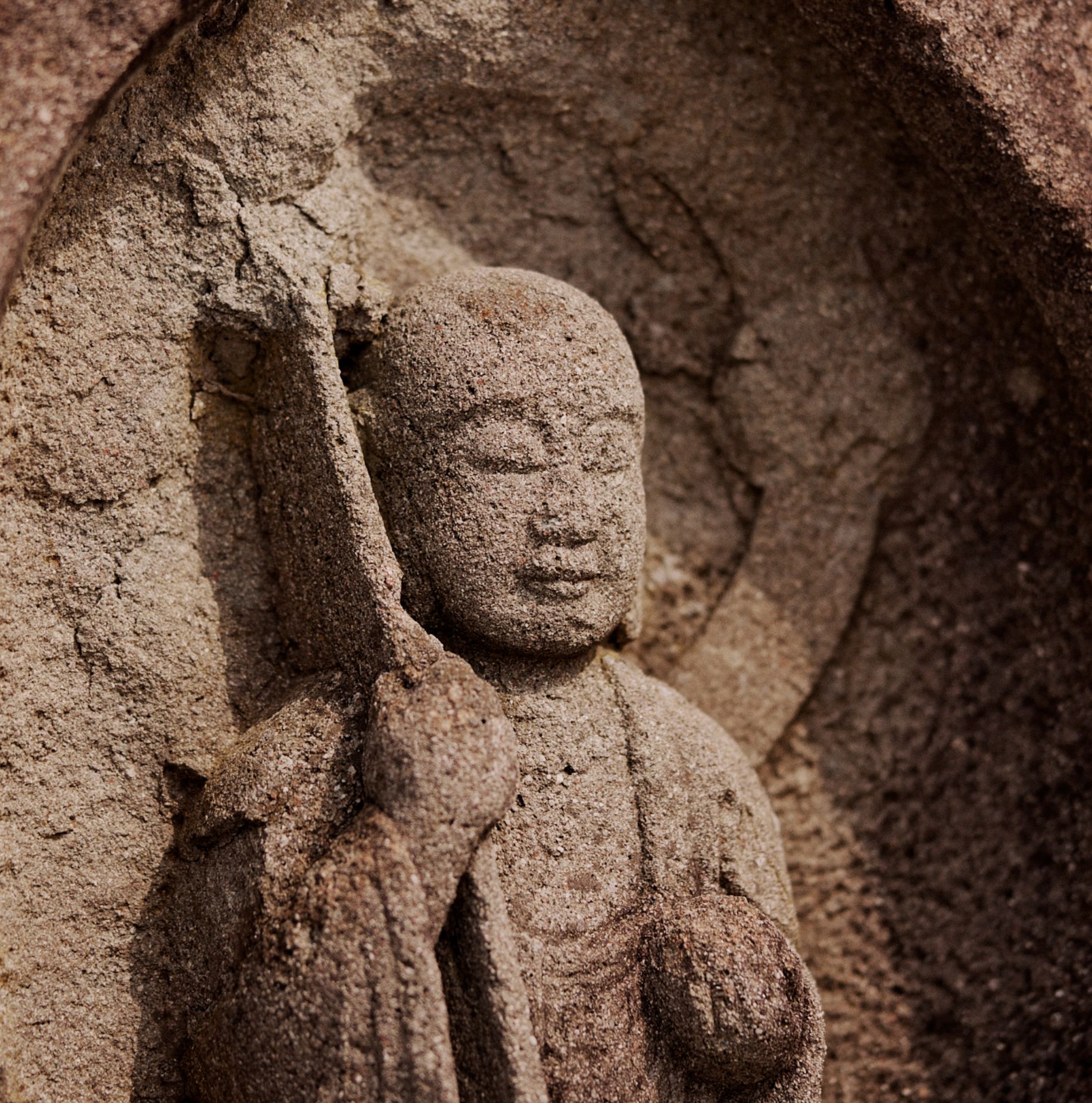
Daily life here is also rooted in the gentle faith of Jodo Shinshu Buddhism, cherished by farmers and people. This spirituality has long shaped these communities and their mindful way of living—a sensibility that still endures today. In the east-facing Azumadachi-style houses, the Buddhist altar representing the Pure Land, which is believed to lie to the west, is placed with its back to the west, so prayer faces this direction. It’s a quiet alignment of faith with daily life.
Travellers can encounter this spirit at Rakudo-An. Surrounded by rice fields and the quiet beauty of handmade craft, immersing oneself in the stillness here offers a glimpse of mindfulness that endures through time.
Samurai
Spirit
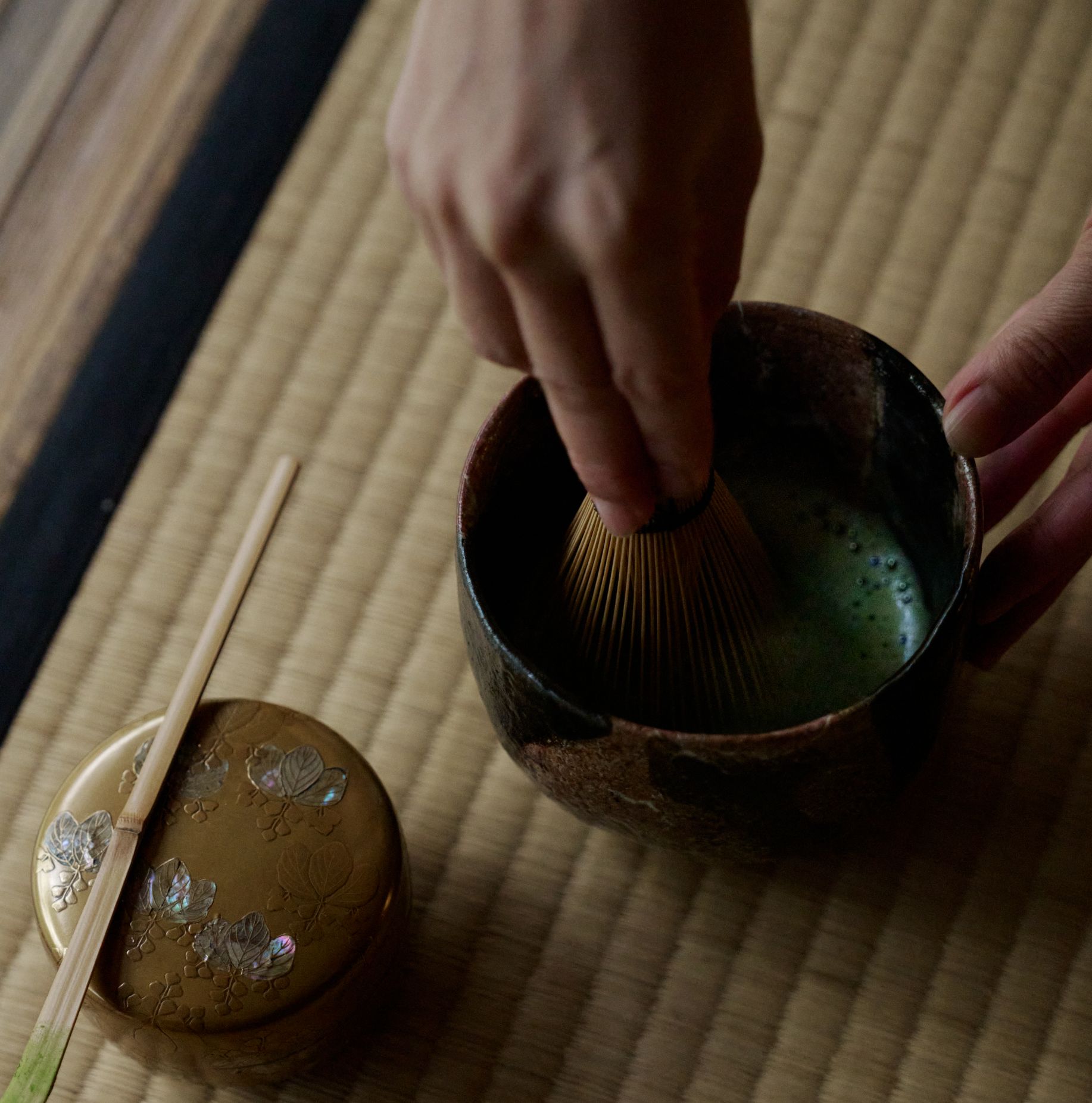
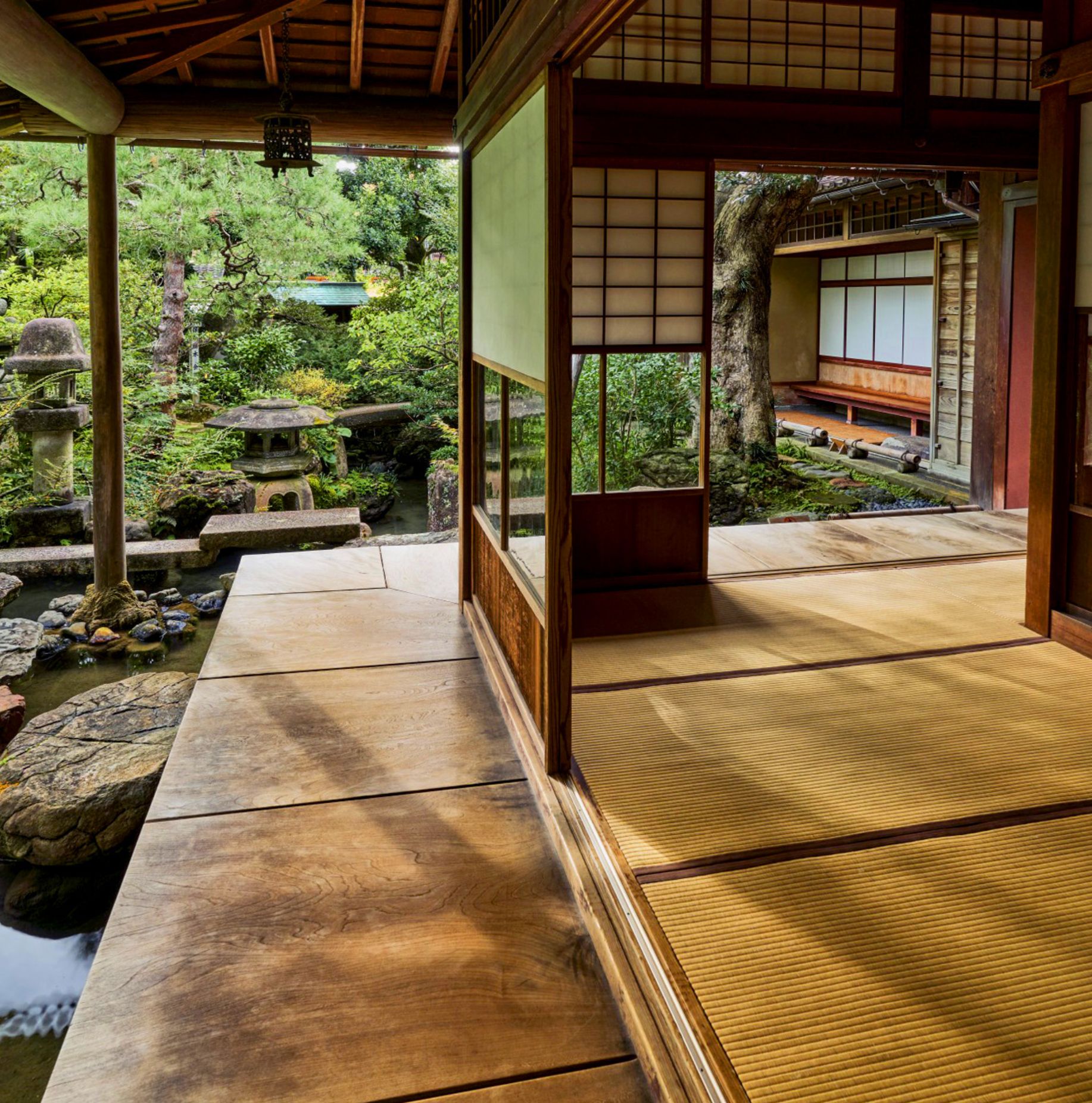
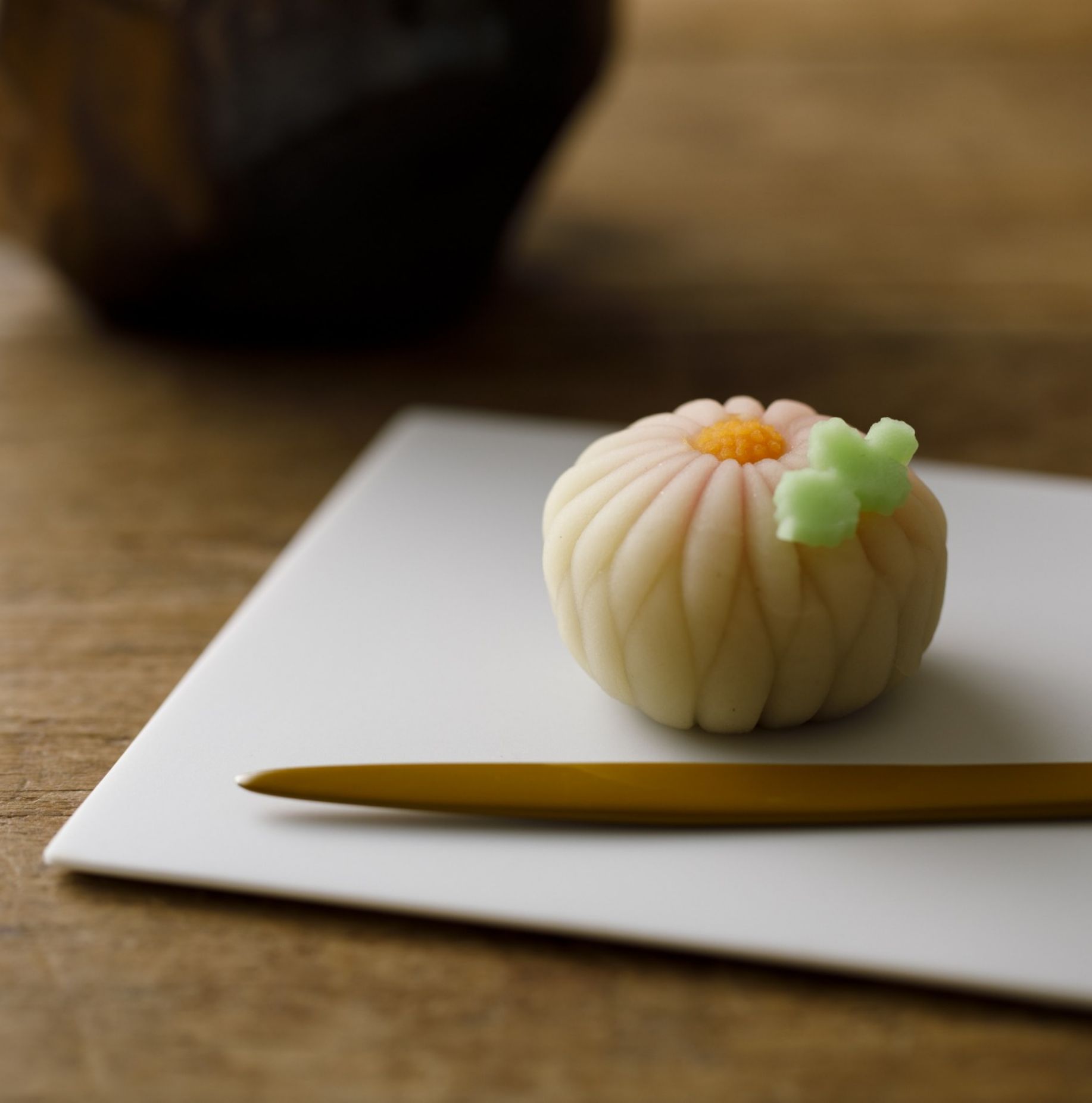
Hokuriku was famously once governed by the Maeda family – feudal lords who left a lasting creative imprint on the region, through their extensive patronage of traditional crafts—most delicately expressed through Chanoyu (Way of Tea), which flourished in Kanazawa, Ishikawa.
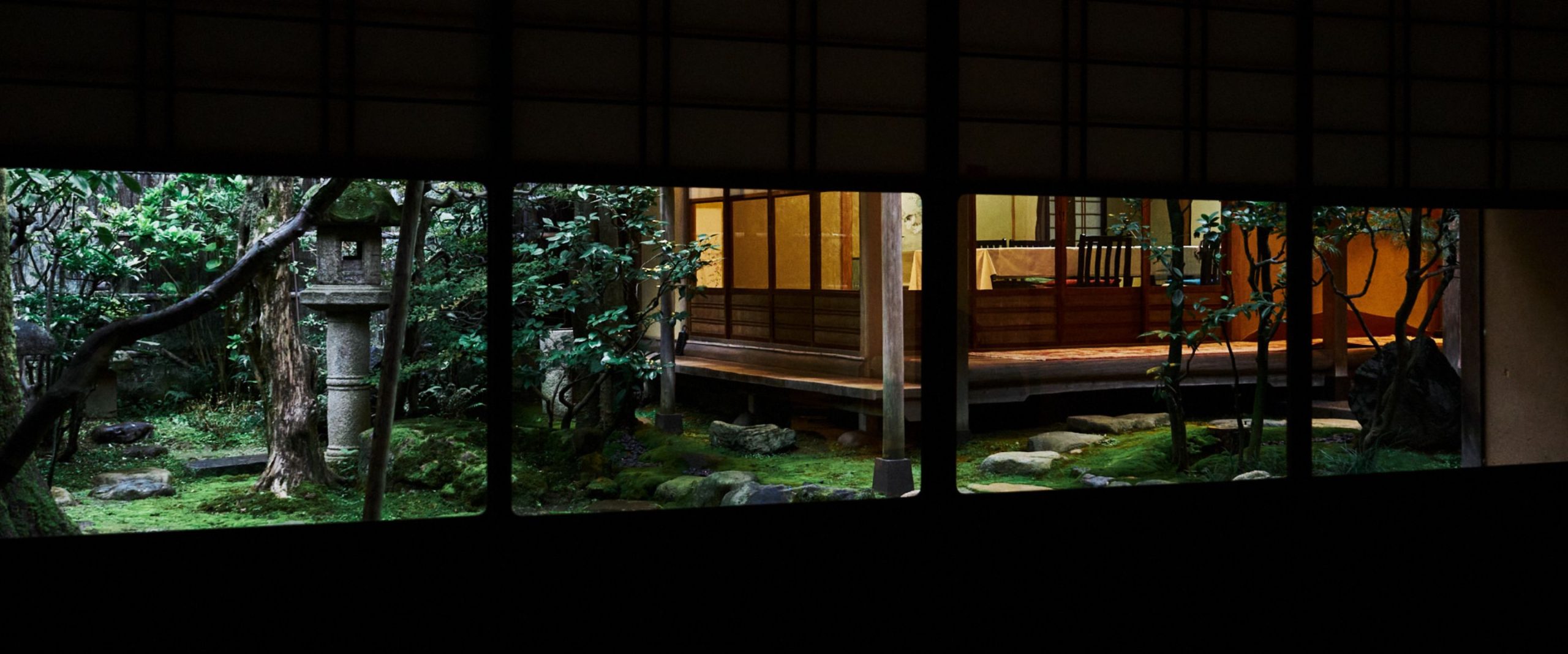
The refined ceremony of Chanoyu reflects Hokuriku’s own way of finding balance—cultivating warmth and grace amid snow, sea winds, and fleeting seasons. Even today, this spirit endures in the region’s crafts and daily rituals. It remains a living reminder that true strength rests in simplicity and grace.
Nature
and Food
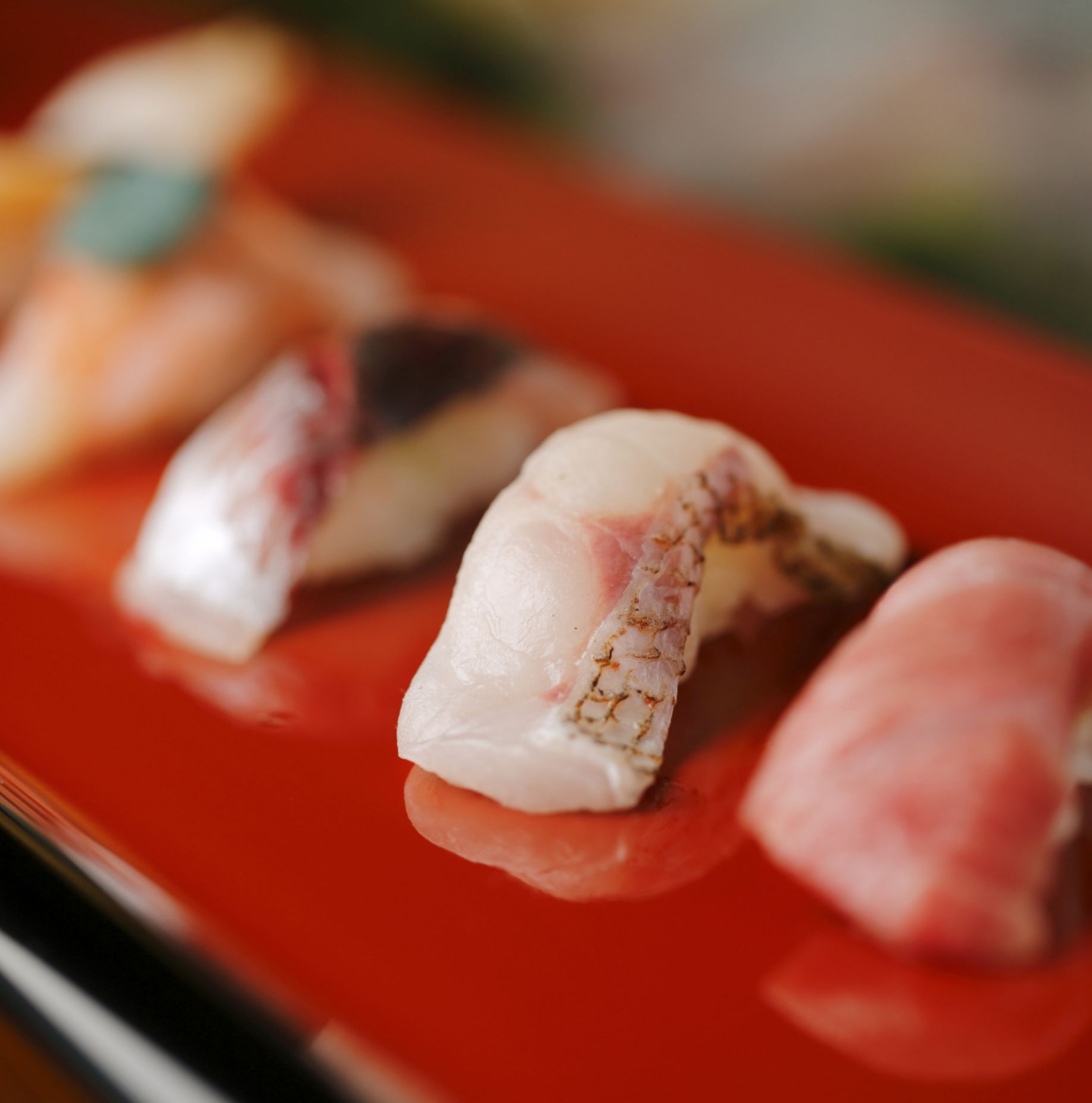
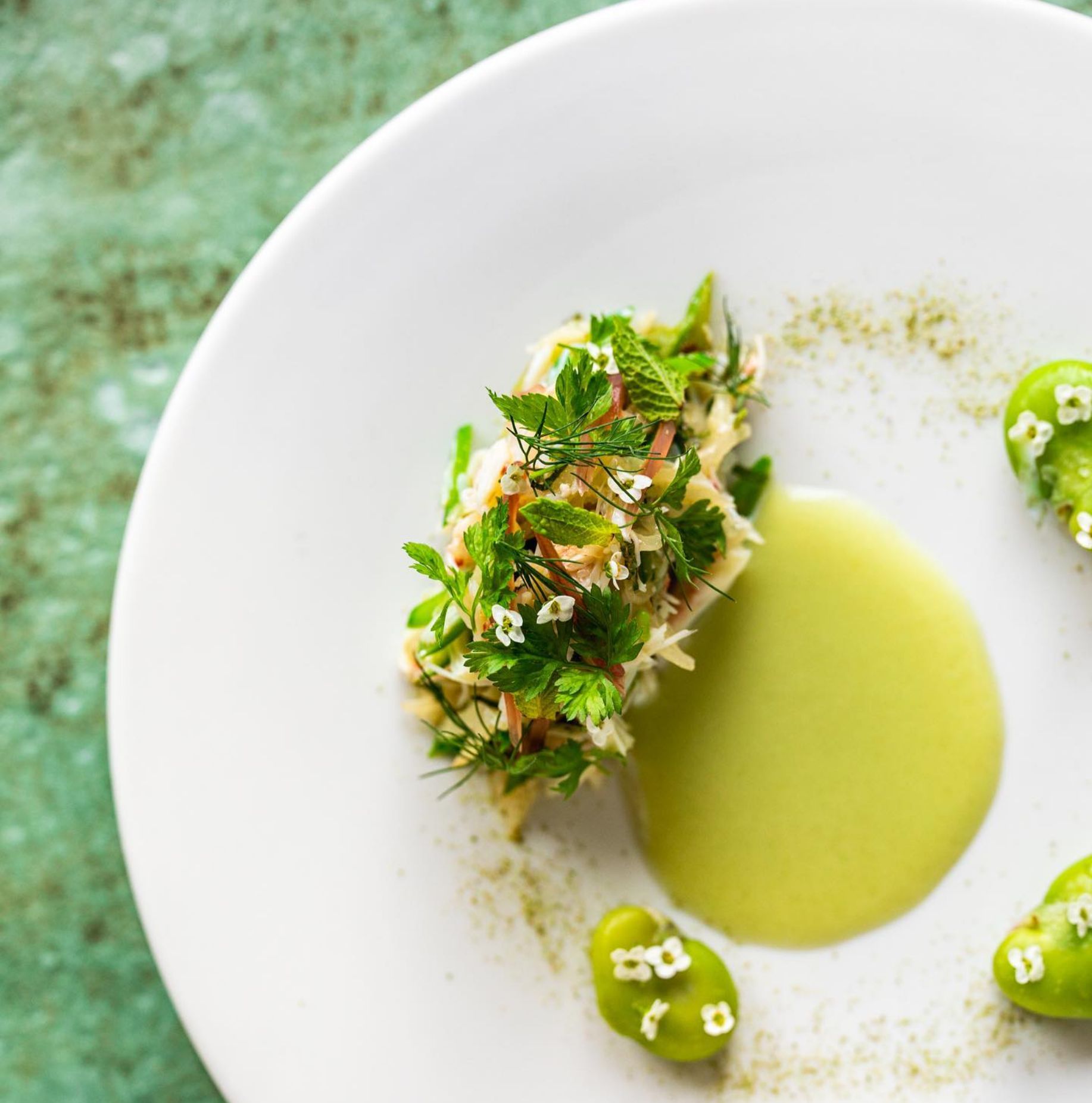
The cuisine of Hokuriku is a quiet reflection of its terroir—a meeting of mountain, river, and sea shaped by both climate and season. Snowmelt flows through the plains to nourish rice fields and refine sake, while the deep waters of the Sea of Japan offer their generous gifts: Toyama’s firefly squid in spring, Ishikawa’s rock oysters and akagai clams, and Fukui’s Echizen crab that grace the winter table. From rugged shores to gentle coves, Hokuriku’s coastline offers a rich variety of local flavors and enduring traditions.
Here, food is guided by closeness and trust. Fishermen, farmers, and brewers work within reach of the chefs who honor their craft. A fish caught at dawn may appear at noon on Wajima lacquerware, while dishes like Echizen oroshi soba reflect a simple aesthetic that lets the ingredients speak for themselves.
In Hokuriku, dining is an act of mindfulness
—a gesture of gratitude to the land, the season, and the hands behind it—revealing that true taste lies not in excess, but in harmony.
Where is Hokuriku?
TOYAMA
ISHIKAWA
FUKUI
By Train
By Airplane